Unidentified Drones Strike Key Kurdish Government Locations
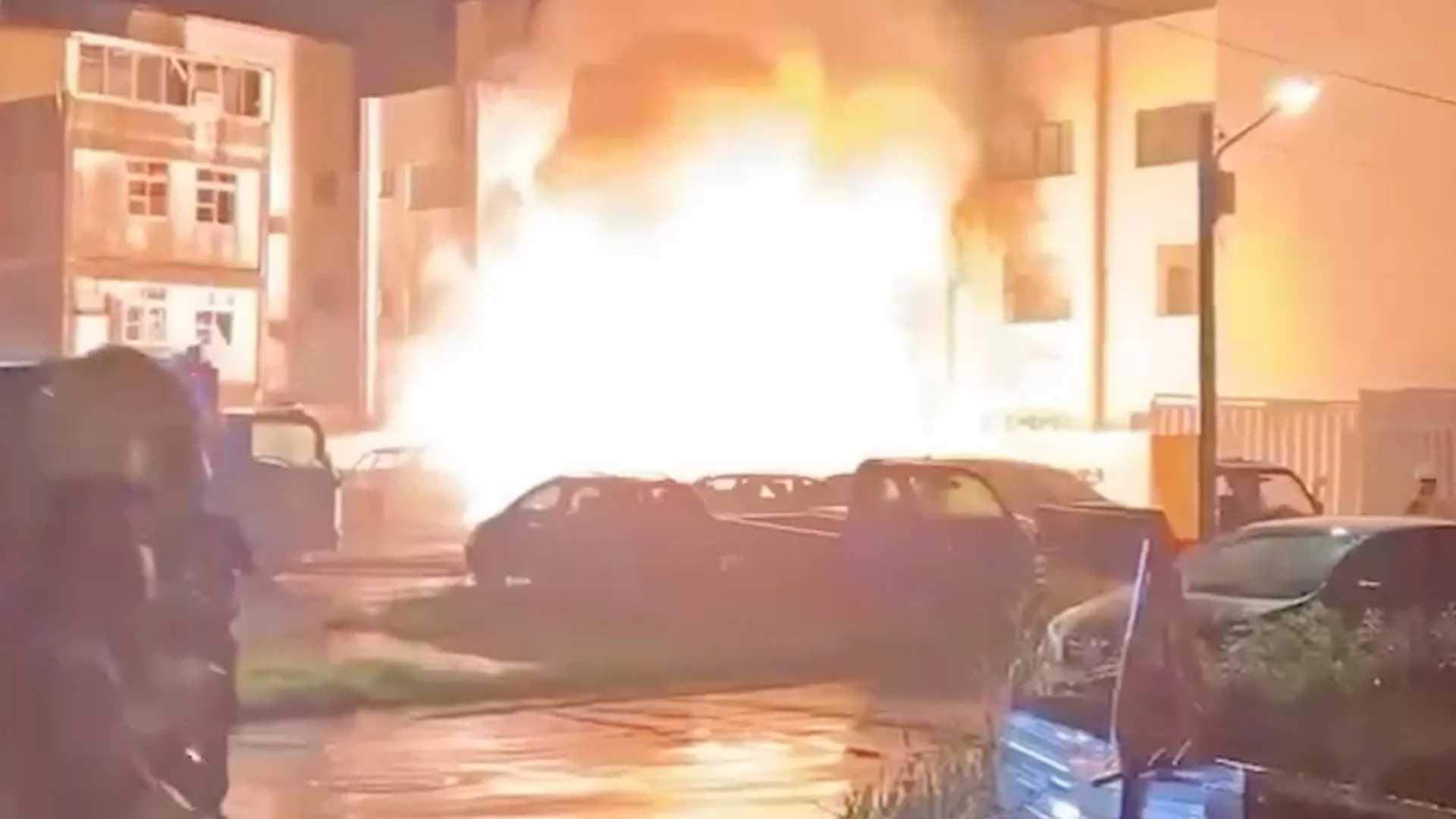
Early on Monday, the Kurdistan Regional Government (KRG) in Iraq reported that explosive drones had targeted the office of its Prime Minister, Masrour Barzani, and the residence of the head of its security and intelligence agency. According to statements released by the region's security apparatus, these incidents did not result in any casualties. The attacks have raised concerns about regional stability and the ongoing tensions between various actors in the broader Middle East.
The Kurdistan Counter-Terrorism Service, in a statement widely cited by Iraq's state news agency, confirmed that two Hadid-110 drones were involved in the coordinated strikes. Specifically, these drones were aimed at the private office of the Prime Minister and the dwelling of the Security Directorate. The absence of casualties was a key detail emphasized in subsequent reports, although the extent of any material damage was not immediately detailed.
Accusations and Denials Regarding Attack Origin
Immediately following the incidents, the Kurdistan security agency asserted that the drone attacks originated from Iranian territory. This accusation, however, did not clarify whether the unmanned aerial vehicles successfully impacted their intended targets. Such claims are not new in the context of the complex geopolitical landscape of the region, where various state and non-state actors frequently engage in proxy conflicts and cross-border operations.
The KRG has consistently faced allegations from Iran and allied armed groups that its semi-autonomous territory is being used as a sanctuary by Iranian Kurdish opposition organizations. Tehran views these groups as significant security threats, often citing their activities as justification for military actions or incursions into Iraqi Kurdistan. Conversely, Iraqi Kurdish authorities have steadfastly denied these accusations, maintaining that they do not permit their territory to be exploited for actions that threaten neighboring nations.
Prime Minister Barzani Condemns Attacks
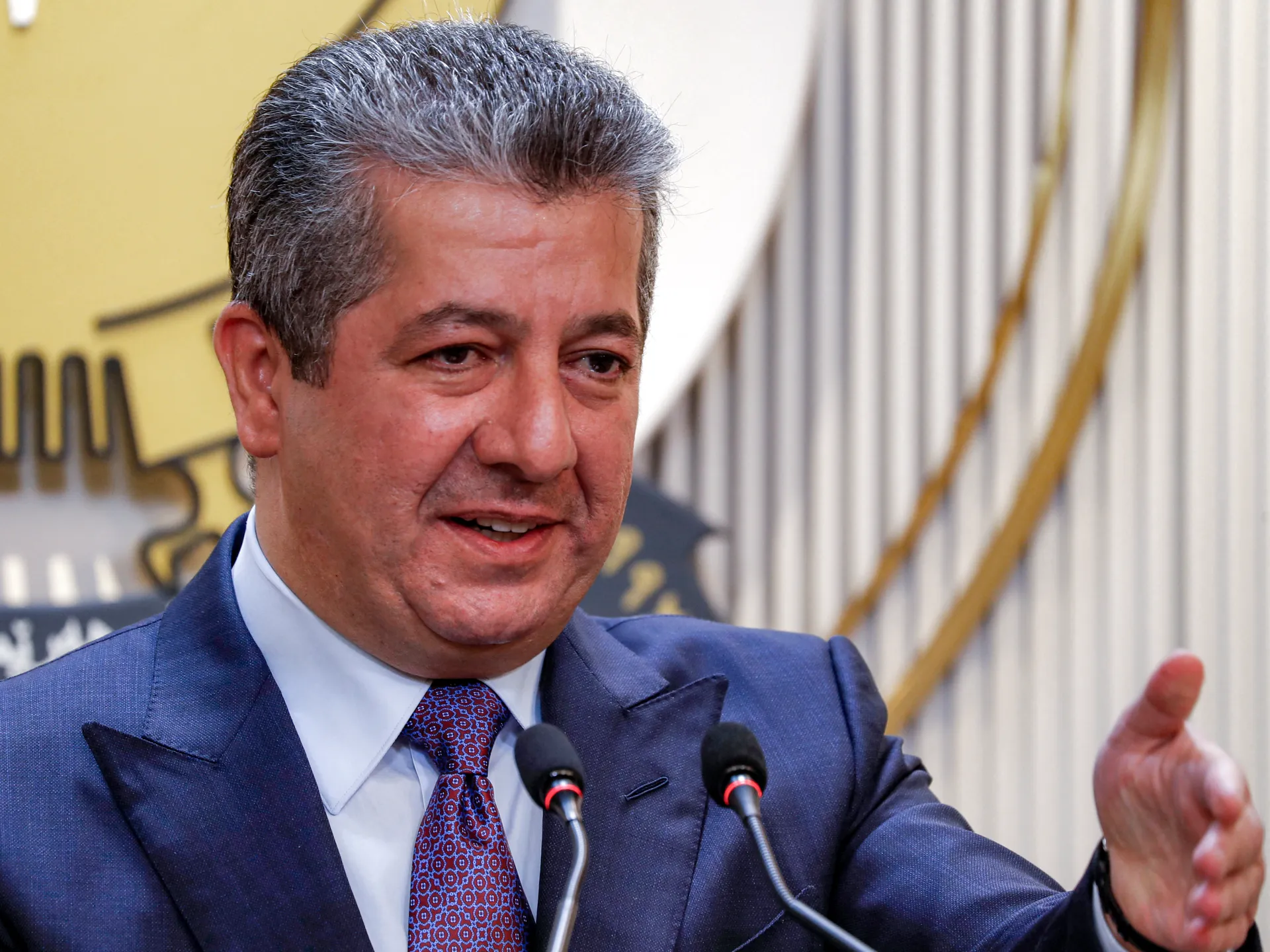
In response to the drone strikes, KRG Prime Minister Masrour Barzani took to social media platform X (formerly Twitter) to express his strong condemnation. He characterized the attacks as “illegitimate and unacceptable,” underscoring the gravity of the situation. Barzani further elaborated on the potential ramifications, stating, “This is a dangerous step and a direct threat to the security and stability of the Kurdistan Region.” His remarks highlight the KRG's perception of the attacks as a direct challenge to its sovereignty and the broader peace in the area.
The incident adds another layer of complexity to the already strained relations between the KRG and its neighbors, particularly Iran. The region has historically been a flashpoint for various conflicts, often serving as a battleground for larger regional power struggles. The use of drones in such attacks represents a modern evolution of these conflicts, allowing for precision strikes that can be difficult to trace definitively back to their operators.
Regional Context and Broader Implications
The repeated accusations from Iran regarding the presence of Iranian Kurdish opposition groups in Iraq's semi-autonomous region underscore a persistent source of friction. These groups, some of which advocate for greater autonomy or independence for Iranian Kurds, have long been a target for Iranian security forces. The KRG, while maintaining its neutrality, finds itself in a precarious position, attempting to balance its own security interests with the need to avoid entanglement in external conflicts.
The broader implications of such drone attacks extend beyond immediate security concerns. They can destabilize economic development, deter foreign investment, and exacerbate humanitarian challenges in a region already grappling with the aftermath of previous conflicts. The KRG has often expressed a desire to remain outside of larger regional conflicts, a stance articulated by Prime Minister Barzani on multiple occasions. However, incidents like Monday's drone strikes demonstrate the difficulty of maintaining such a position when external actors are perceived to be operating within or near its borders.
As investigations into the drone attacks continue, the international community will likely watch closely for further developments. The incident serves as a stark reminder of the fragile security environment in Iraq and the broader Middle East, where regional tensions can quickly escalate and impact local governance and stability.