Devastating Attack in Nizhnekamsk
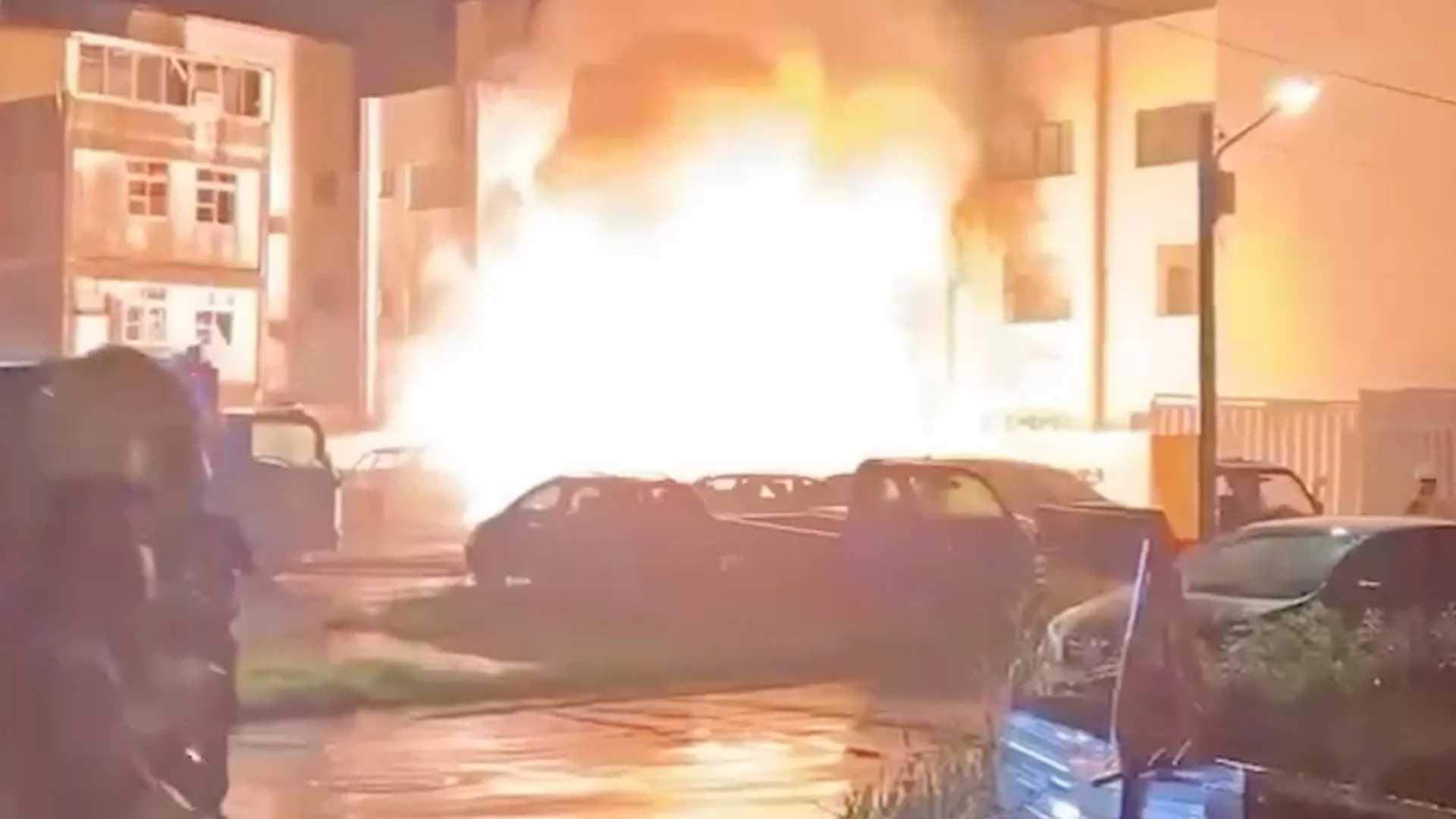
A recent drone strike in the Russian city of Nizhnekamsk, located in the Tatarstan region, has tragically claimed the lives of at least 13 individuals, among them a child. The attack, which occurred approximately 800 kilometers (497 miles) east of Moscow, also left at least 39 others wounded, according to regional authorities. In response to the significant loss of life, a day of mourning has been officially declared in Tatarstan.
The incident has been widely condemned by Russian officials. Rustam Minnikhanov, the head of the Tatarstan region, characterized the strike as “barbaric” in a statement posted on Telegram, emphasizing that civilian infrastructure had been targeted. Russia's Investigative Committee has initiated a criminal investigation into the strike, labeling it a “terrorist attack.” Svetlana Petrenko, a spokesperson for the committee, highlighted that Kyiv had struck industrial facilities and civilians who, she asserted, had no connection to the country's military operations.
Strategic Significance and Broader Context
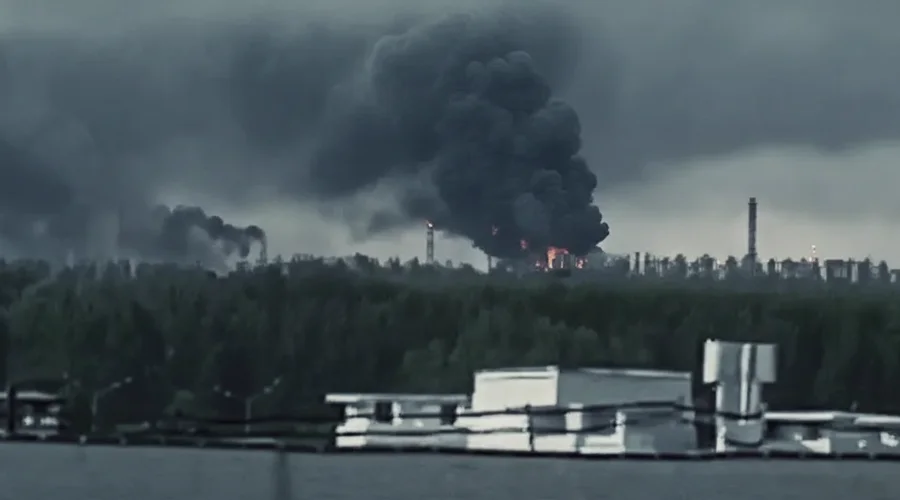
Nizhnekamsk is a pivotal location within Russia's oil industry, hosting one of the nation's largest and most technologically advanced oil refineries. Ukraine’s military has claimed responsibility for successfully targeting this site in an overnight operation. This attack follows a series of similar strikes on the same industrial zone in June and July of the current year, indicating a sustained effort to disrupt Russia's energy infrastructure.
These long-range drone attacks on Russian regions are reportedly part of a broader Ukrainian strategy aimed at undermining Russia's war economy. The objectives include crippling fuel production, disrupting military logistics, and exposing vulnerabilities in domestic air defenses. The recent strike in Nizhnekamsk represents one of Ukraine’s most extensive coordinated long-range operations to date, underscoring the escalating nature of the conflict.
Escalating Exchanges and Statements
The drone attack occurred amidst continued intense exchanges between Russian and Ukrainian forces. The Russian defense ministry reported intercepting over 450 Ukrainian drones overnight, illustrating the persistent aerial activity. Concurrently, Ukrainian officials reported a “massive artillery attack” by Russian forces on a residential area in the eastern Kharkiv region, which resulted in the deaths of at least five people. The regional prosecutor’s office in Kharkiv has launched investigations into potential war crimes following this assault.
Ukrainian President Volodymyr Zelenskyy has been vocal about his country's intentions regarding such strikes. In a recent post on X, he affirmed that attacks on Russian oil refineries would persist, stating that Moscow was “beginning to feel” the repercussions of the conflict. He also accused Russia of being unwilling to end the war and announced plans to engage with mediators to discuss peace efforts in the coming days. Furthermore, President Zelenskyy indicated that new air defense packages would be secured soon, signaling an ongoing focus on bolstering Ukraine's defensive capabilities.
Impact on Civilian Life and International Law
The targeting of civilian areas and the resulting casualties raise significant concerns under international humanitarian law, which mandates the protection of non-combatants and civilian infrastructure during armed conflicts. Both sides in the conflict have accused the other of violating these principles. The inclusion of a child among the fatalities in Nizhnekamsk underscores the tragic human cost of the ongoing hostilities and the profound impact on innocent lives.
The consistent pattern of strikes on energy infrastructure by Ukraine, coupled with Russia's retaliatory actions, highlights a dangerous escalation. Such actions not only risk further civilian casualties but also have the potential to destabilize global energy markets and prolong the conflict. The international community continues to call for de-escalation and adherence to international laws governing warfare, emphasizing the critical need for a peaceful resolution.