Major Earthquake Strikes Western Colombia
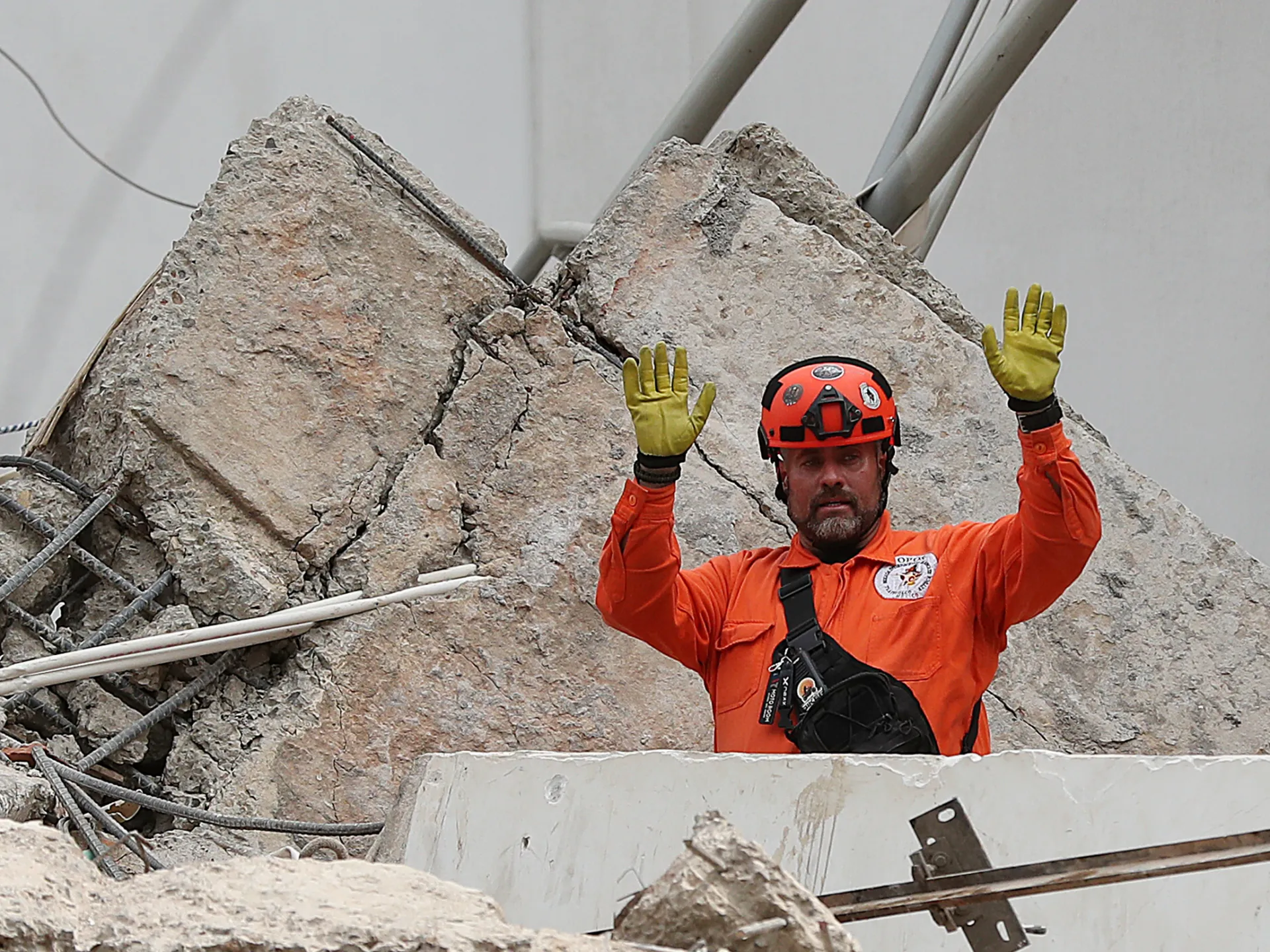
A significant natural disaster has confronted Colombia's newly inaugurated government. A magnitude 7.4 earthquake impacted the western region of the country, causing widespread devastation and claiming over 260 lives, with thousands more injured. The seismic event occurred barely 72 hours after President Abelardo de La Espriella, a far-right leader, assumed office. This catastrophe represents the first major test for his administration, which is now focused on rescue operations and providing essential aid to affected communities.
Government Response and Emergency Measures
President de la Espriella, 48, promptly declared the situation an "economic emergency" and announced a three-day period of national mourning. Following these declarations, he visited the most severely impacted areas to assess the damage firsthand. Colombia possesses considerable experience in managing natural disasters, and this expertise was quickly put into action. Firefighters were among the first responders, swiftly followed by Civil Defence officials and other emergency services. Humanitarian aid, gathered from the capital Bogota and other major cities, was airlifted to the disaster zones, and temporary shelters were established to house those displaced by the tragedy.
On-the-Ground Efforts and Disparities
Within 24 hours of the earthquake, heavy machinery, including cranes and excavators, were deployed in cities like Cali and Pereira to assist with rubble removal and rescue efforts. However, in more remote and isolated towns, residents were observed clearing debris manually. Many of these communities also reported a lack of electricity and basic services. In response, the government announced temporary relief measures for families in Risaralda, one of the hardest-hit regions. These measures include rental subsidies and a three-month suspension of utility payments for affected residents.
Challenges in Transition and Communication
The earthquake response has been complicated by a less-than-smooth transition from the previous leftist administration led by Gustavo Petro. The lack of a comprehensive handover has left the National Disaster Risk Management Unit in a state of flux, with an acting director from the former government collaborating with a new team. This situation has compelled officials from two distinct political administrations to cooperate despite existing differences and the deep political polarization that followed one of the nation's closest elections in history.
Furthermore, the government stated that the disaster agency would not be the primary source of updates. Instead, the executive branch, particularly the President's office, would be solely responsible for disseminating information, including official casualty figures. This centralized approach has resulted in slower updates, prompting individuals, including journalists, to gather information from various local authorities to piece together a comprehensive picture of the situation.
Impact on Remote Regions and Infrastructure
Some of the communities most affected by the earthquake, particularly those near the epicenter in Choco—one of Colombia's poorest districts—are situated within dense rainforests. These areas often lack adequate road infrastructure and have historically suffered from state neglect and ongoing armed conflicts. Communication with these remote regions remains challenging, making it difficult to ascertain the full extent of the damage and the precise needs of their populations.
Vital infrastructure has also sustained significant damage. Aviation authorities were compelled to close six airports due to the earthquake, and numerous roads were rendered impassable by landslides. In Cali, a prominent hospital experienced the collapse of several floors, necessitating the evacuation of approximately 600 patients into temporary tents. Many other medical facilities have also reported damage, straining the healthcare system's capacity during this critical period.
A Defining Moment for the New Presidency
For a president who campaigned on a platform promising "decisive leadership and an iron fist against crime," the earthquake presents an immediate and unforeseen challenge. The manner in which he manages this crisis, and whether Colombia's deeply divided political class can unite and collaborate effectively during this emergency, will likely play a significant role in defining the early stages of his presidency.