Devastation Strikes Western Colombia
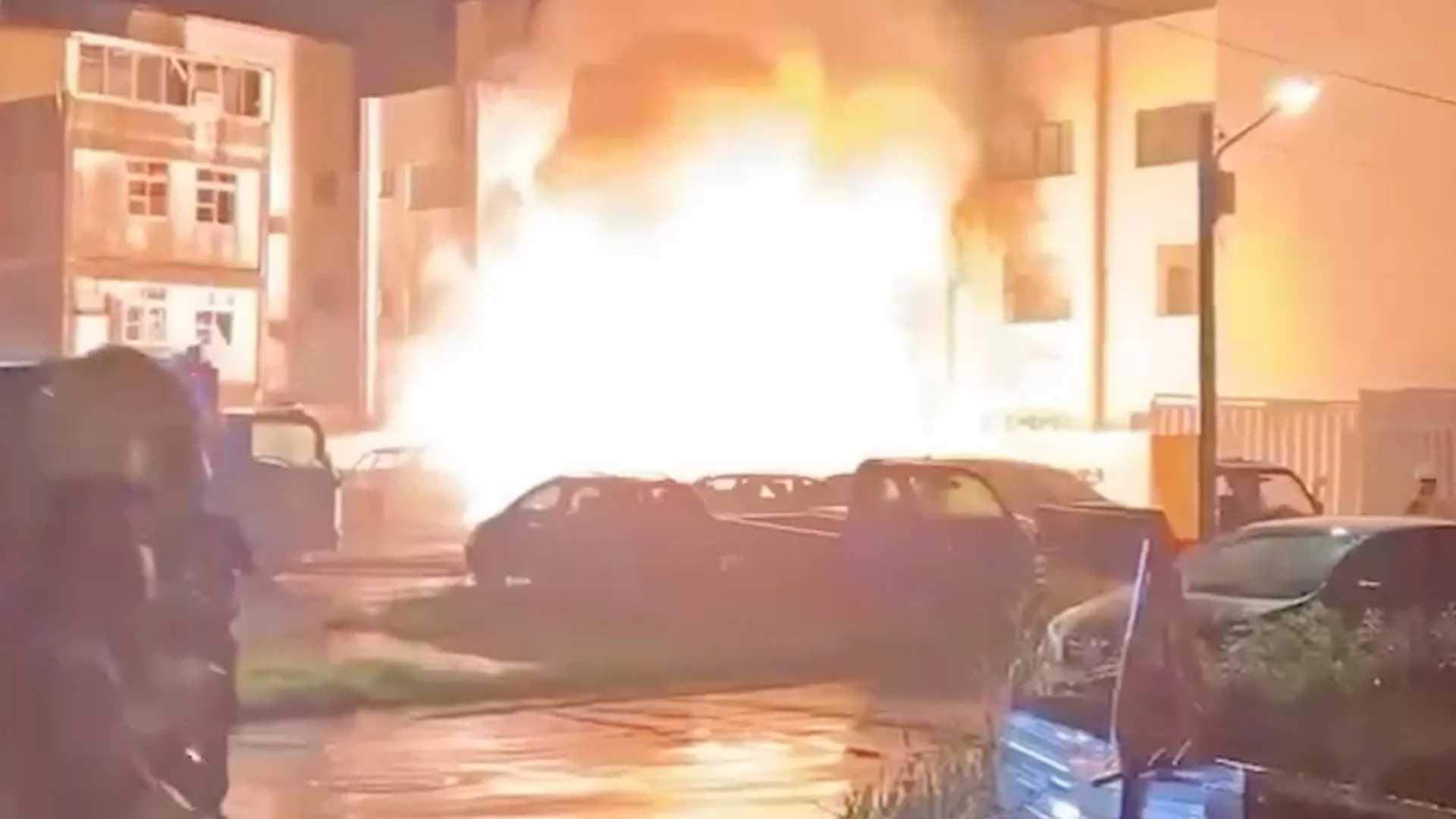
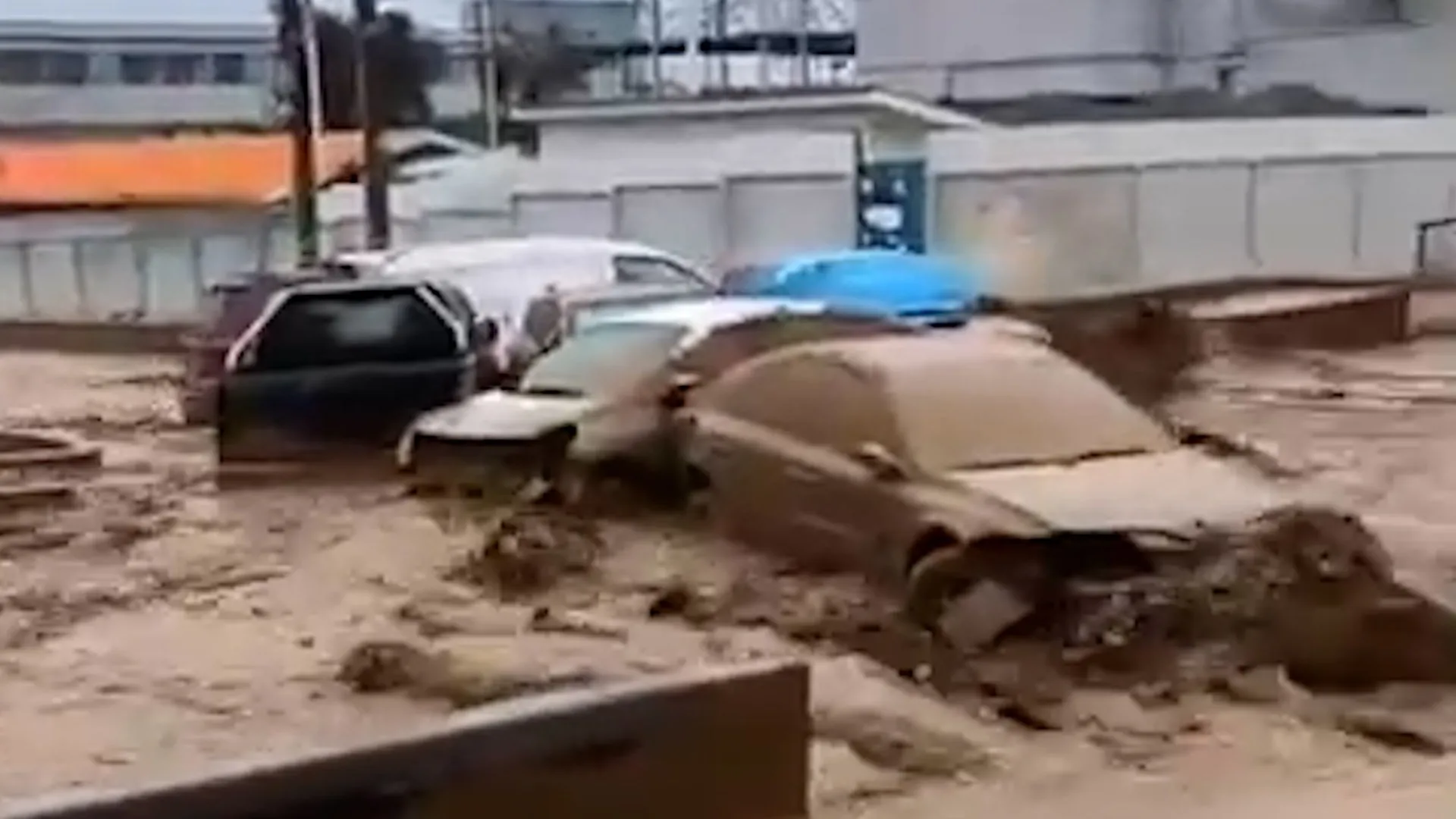
A catastrophic 7.4 magnitude earthquake, the most powerful to hit Colombia in the 21st century, has unleashed widespread destruction across the nation's western provinces. The seismic event, which occurred earlier this week, has resulted in a significant loss of life, with official figures reporting at least 265 fatalities and over 3,500 individuals sustaining injuries. As search and rescue operations extend into their fourth day, nearly 500 people remain unaccounted for, fueling a grim race against time for emergency responders.
The earthquake's impact has been particularly severe in cities such as Pereira and Cali. Pereira, nestled in the heart of Colombia's renowned coffee region, has reported 83 confirmed deaths, while Cali, the country's third-largest city, has registered 74 fatalities. The sheer scale of the disaster has overwhelmed local infrastructure, with more than 9,550 homes completely destroyed, leaving thousands displaced and seeking refuge in makeshift shelters.
Intensified Search and Rescue Efforts
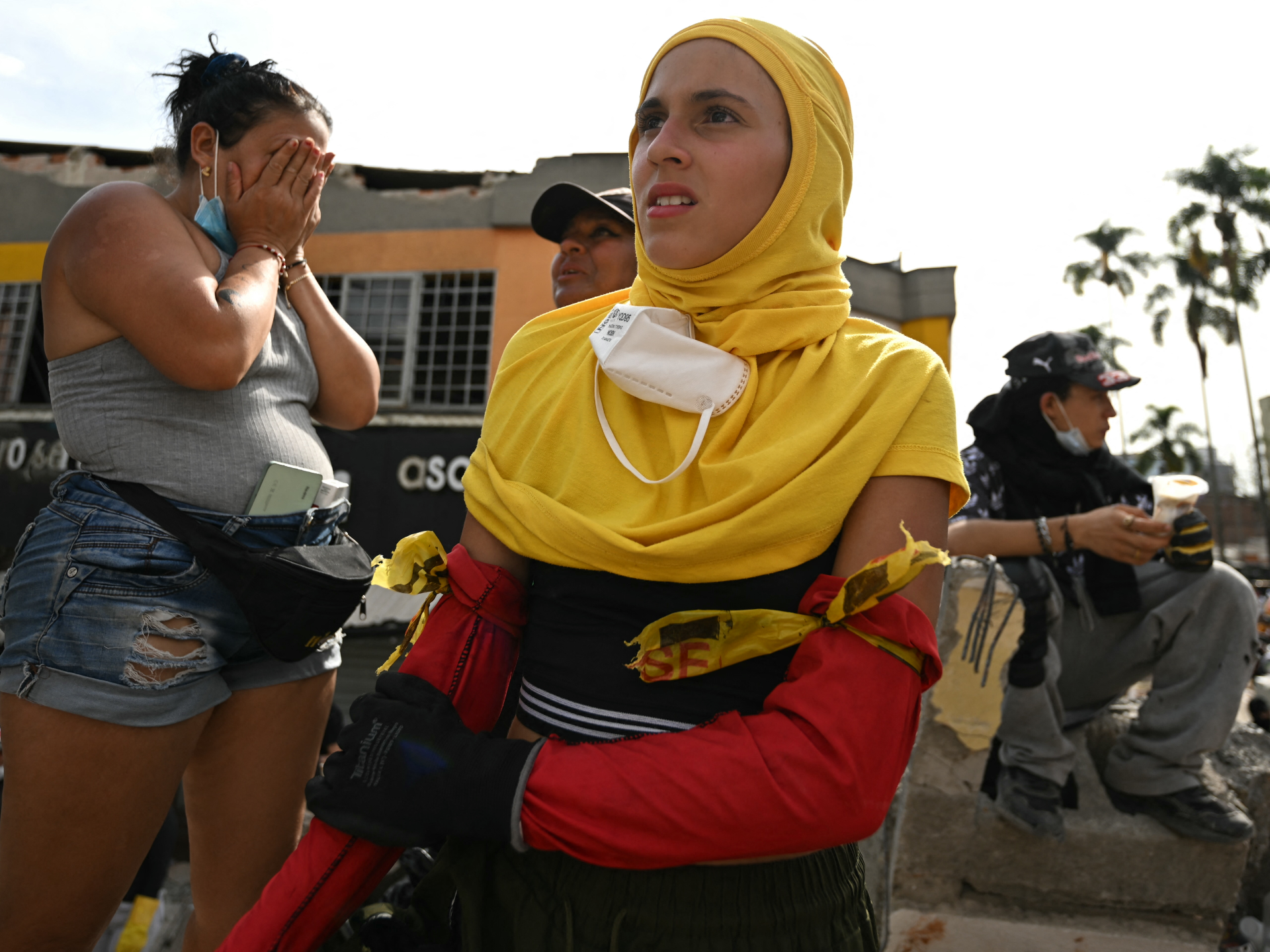
In the hardest-hit areas, dedicated rescue teams, comprising both local and international specialists, are tirelessly sifting through mountains of debris. Their efforts are concentrated on locating individuals who may be trapped beneath collapsed structures. In Pereira, a focal point of these operations is a collapsed bakery, where rescuers believe street vendor Pablo Loaiza might still be alive. Specialist teams are employing advanced techniques, including vibration sensors and trained sniffer dogs, which have intermittently detected signs suggesting the presence of survivors. Outside, anxious relatives maintain a constant vigil, clinging to the diminishing hope of reunion. Sara Loaiza, Pablo's 16-year-old niece, expressed the profound emotional toll, stating, “My heart is about to burst out of my chest.”
Similar scenes are unfolding in Cali, where rescue workers are meticulously clearing unstable rubble using a combination of heavy machinery and hand tools. The operations are conducted with extreme caution, frequently pausing to enforce silence to listen for any faint sounds or cries for help from beneath the wreckage. The 72-hour mark, often considered a critical window for finding survivors in such disasters, has now passed, adding to the urgency and despair of the ongoing efforts.
National Response and International Aid
In response to the widespread devastation, President Abelardo de la Espriella has swiftly declared an “economic emergency” to mobilize resources and facilitate recovery efforts. Additionally, a three-day period of national mourning has been instituted, reflecting the profound sorrow gripping the nation. The government's immediate focus is on providing humanitarian assistance to the thousands of people who have been forced to sleep outdoors in temporary shelters. Volunteers across the country have rallied to support the affected communities, organizing collection drives for essential supplies such as food, water, and blood donations.
The international community has also begun to offer support, with Mexican rescue workers already on the ground in Cali, contributing their expertise to the challenging search operations. The combined efforts aim to alleviate the suffering of those affected and to support the long road to recovery that lies ahead for the impacted regions.
Long-Term Challenges and Resilience
The earthquake has not only caused immediate loss and destruction but has also presented significant long-term challenges for Colombia. The widespread damage to infrastructure, including homes, businesses, and public facilities, will require extensive reconstruction efforts. The displacement of thousands of individuals necessitates comprehensive plans for housing, rehabilitation, and psychosocial support to help communities rebuild their lives.
Despite the immense challenges, the resilience of the Colombian people is evident in the outpouring of volunteerism and mutual support. The coordinated response from government agencies, non-governmental organizations, and ordinary citizens underscores a collective determination to overcome the adversity brought by this natural disaster. As the rescue phase transitions into recovery, the focus will shift towards rebuilding not just structures, but also the lives and livelihoods of those profoundly impacted by the earthquake.