
Magnitude 7.4 Earthquake Strikes Western Colombia
A powerful earthquake, measuring 7.4 on the Richter scale, struck western Colombia on Monday, leaving a trail of destruction and prompting an urgent search and rescue effort. The seismic event has severely impacted several communities, with emergency services and volunteers working tirelessly to locate survivors amidst the rubble.
Initial Impact and Casualties
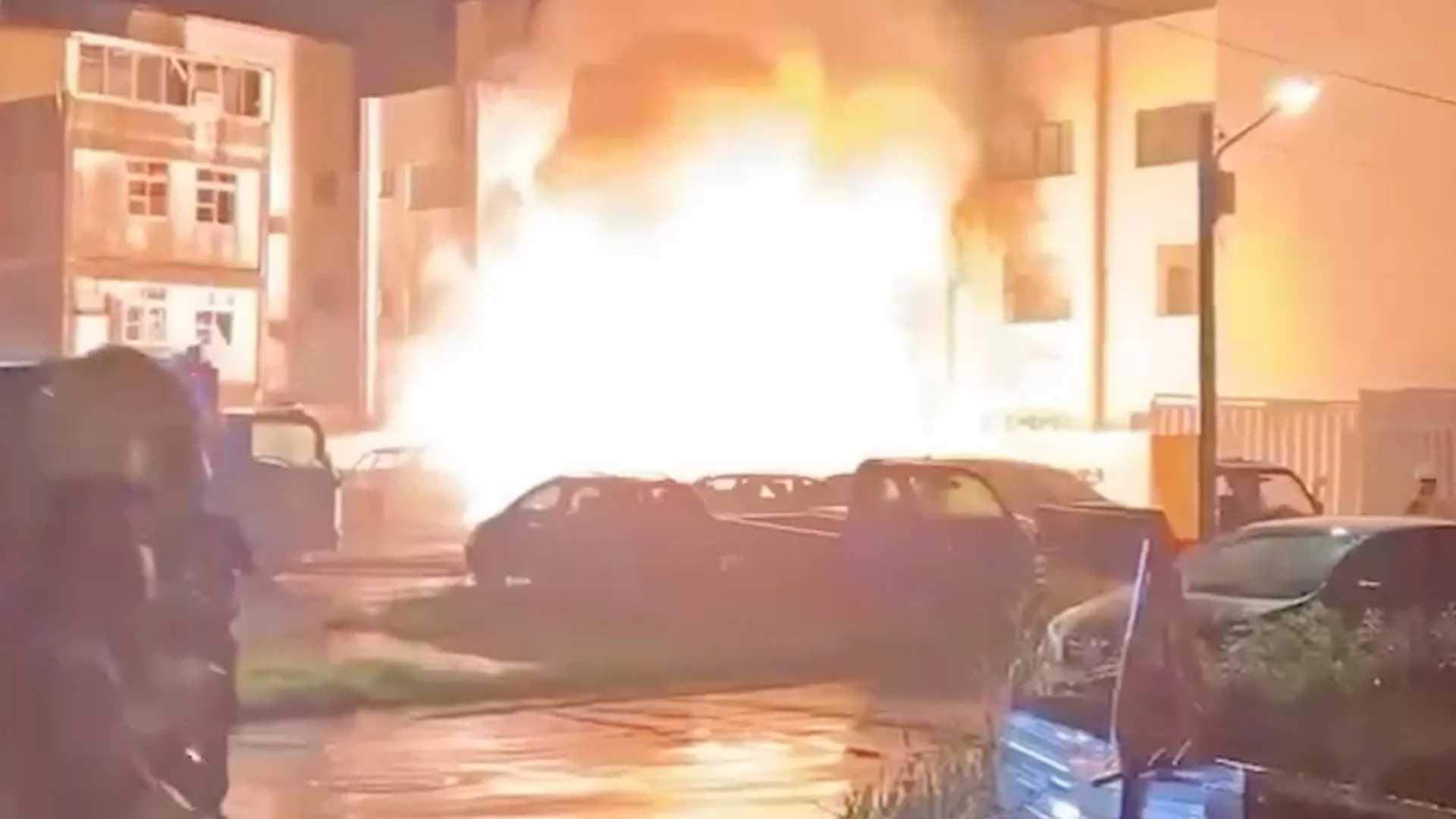
The immediate aftermath of the earthquake has been characterized by widespread devastation. Reports indicate that the tremor caused numerous buildings to collapse, trapping an unknown number of individuals. The confirmed death toll currently stands at 132, a figure that humanitarian organizations fear could rise significantly as rescue operations progress. Authorities have also reported hundreds of people as missing, intensifying the urgency of the search efforts.
Rescue Operations Underway
In the hours and days following the disaster, a massive rescue operation has been launched across the affected regions. Specialized teams, including urban search and rescue units, medical personnel, and military forces, have been deployed to assist in the recovery efforts. These teams are equipped with advanced tools and techniques to detect signs of life beneath collapsed structures. Local communities have also rallied, with many residents voluntarily joining the search, demonstrating remarkable resilience and solidarity in the face of adversity.
“The scale of the destruction is immense, and our priority remains finding those who are still trapped. Every minute counts, and our teams are working around the clock,” stated a spokesperson for the national emergency management agency. “We are utilizing all available resources to bring aid and support to the affected areas.”
Among the harrowing tales emerging from the disaster, one notable rescue involved a baby, who was successfully pulled from the debris. This incident, while a beacon of hope, underscores the fragility of life and the critical need for rapid response in such catastrophic events. The rescue of children and vulnerable individuals remains a top priority for all teams on the ground.
Widespread Structural Damage
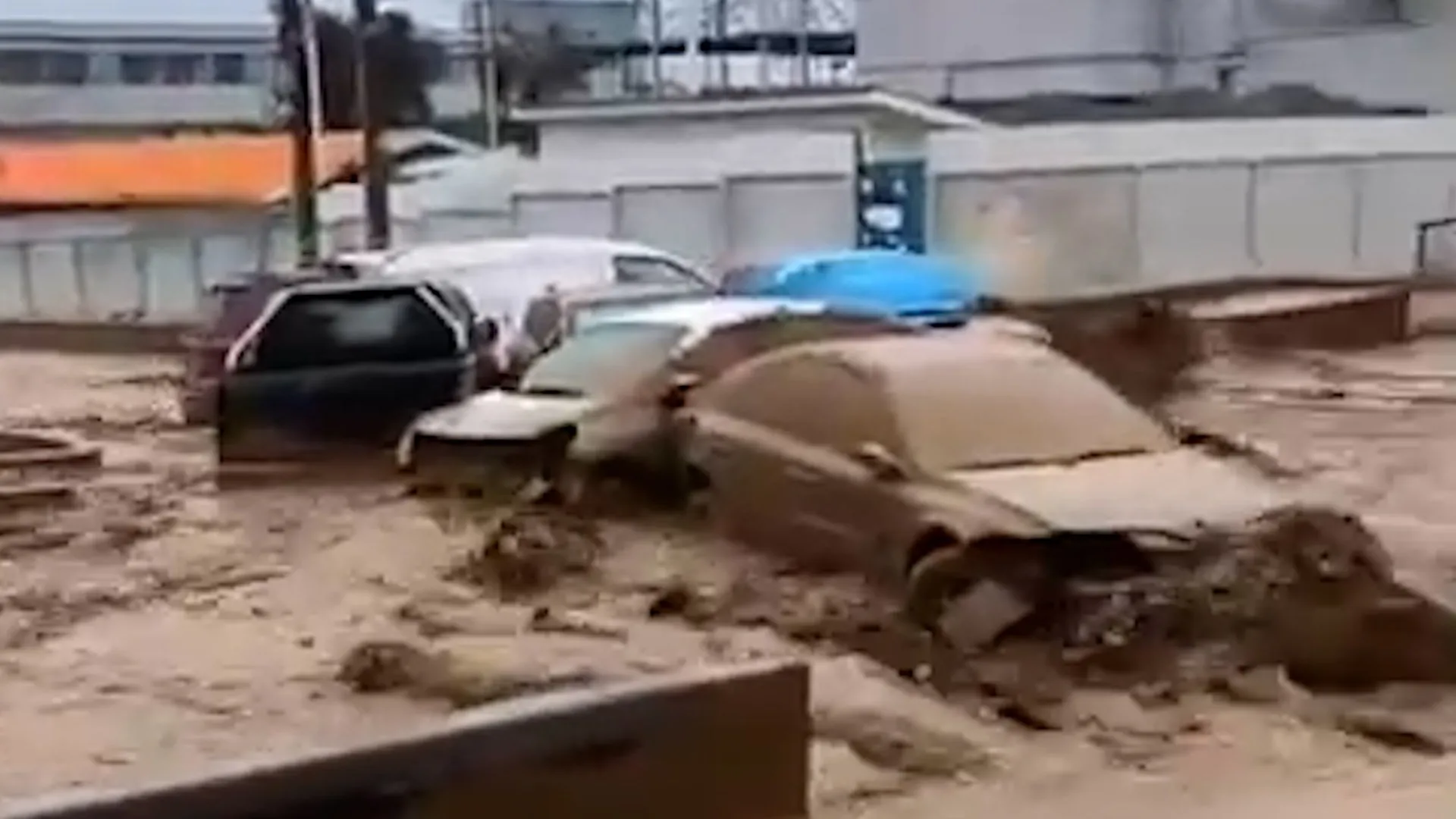
Beyond the immediate human cost, the earthquake has resulted in extensive structural damage across western Colombia. Thousands of buildings, ranging from residential homes to commercial establishments and public infrastructure, have been either completely destroyed or rendered uninhabitable. This widespread damage presents a significant challenge for the recovery phase, as it will require substantial resources and time to rebuild and restore normalcy to the affected areas.
Engineers and damage assessment teams are currently evaluating the structural integrity of remaining buildings to identify those at risk of further collapse. The assessment process is crucial for ensuring the safety of rescue workers and residents, as aftershocks continue to pose a threat. The destruction of infrastructure, including roads and communication networks, has also complicated relief efforts, making it difficult to transport aid and personnel to some of the more remote affected areas.
Humanitarian Response and International Aid
In response to the crisis, the Colombian government has declared a state of emergency in the most severely hit regions, mobilizing national resources for relief and recovery. International aid organizations and several countries have also offered assistance, including financial support, specialized rescue equipment, and medical supplies. These contributions are vital for augmenting local capacities and addressing the immediate needs of the displaced population, many of whom have lost their homes and livelihoods.
Temporary shelters are being established to house those left homeless, and efforts are underway to provide food, water, and medical care to the survivors. The psychological impact of such a traumatic event is also a significant concern, with mental health professionals being deployed to offer support to individuals and families grappling with loss and displacement.
Looking Ahead: Recovery and Reconstruction
The path to recovery for western Colombia will be long and arduous. Beyond the immediate rescue efforts, the focus will shift towards long-term reconstruction and rehabilitation. This will involve not only rebuilding physical infrastructure but also supporting communities in their efforts to regain stability and rebuild their lives. The government, in collaboration with international partners, will need to develop comprehensive plans for sustainable reconstruction, incorporating lessons learned from this disaster to enhance resilience against future seismic events.
The earthquake serves as a stark reminder of the unpredictable power of natural forces and the importance of preparedness and robust emergency response systems. As the search for survivors continues, the world watches, offering support and solidarity to the people of Colombia during this challenging time.