Taiwan's Strategic Position and Evolving Threats
Taiwan, an island nation with a democratically elected government, has long operated under the looming shadow of potential military action from the People's Republic of China (PRC). Beijing views Taiwan as a breakaway province that must eventually be reunified with the mainland, by force if necessary. For decades, Taiwan's defense strategies have largely centered on deterring or repelling a full-scale amphibious invasion. However, recent global events, particularly conflicts observed in other regions, have introduced new dimensions to strategic planning, compelling a re-evaluation of potential threats.
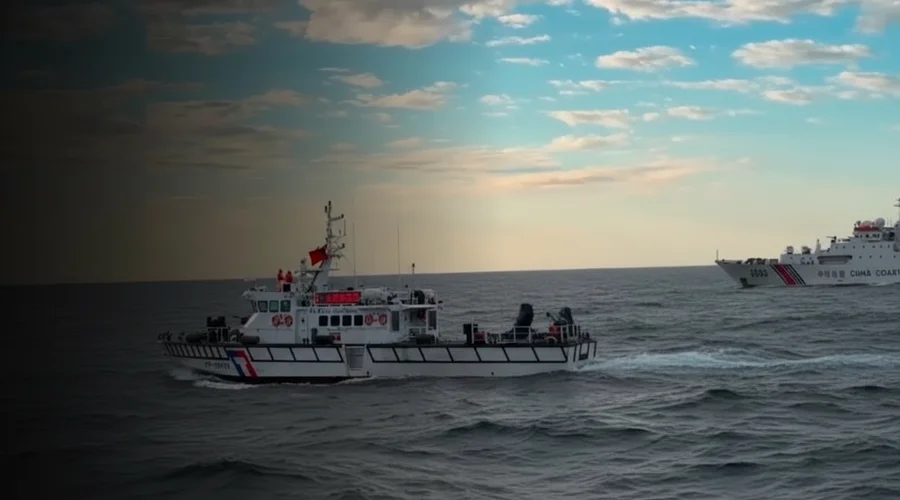
The concept of a maritime blockade, historically employed as a tactic to isolate and pressure an adversary, has gained renewed attention in discussions surrounding Taiwan. This approach, distinct from a direct invasion, aims to disrupt essential supplies, economic activity, and communication, thereby coercing compliance without necessarily engaging in a direct land assault. The effectiveness of such a strategy hinges on various factors, including naval capabilities, international response, and the resilience of the blockaded entity.
Lessons from Global Conflicts
The strategic implications of blockades have been starkly demonstrated in various historical and contemporary conflicts. While specific geographic and political contexts differ, the fundamental principles of disrupting trade routes and isolating a target remain consistent. The potential for a blockade around Taiwan evokes parallels with other geopolitical flashpoints, prompting analysts to consider how such a tactic might unfold in the Taiwan Strait.
The Strait of Hormuz, a critical chokepoint for global oil shipments, offers a case study in how a maritime route can become a focal point of international tension. Although the circumstances surrounding the Strait of Hormuz are unique to its region, the discussion around its potential closure by Iran has raised concerns about similar tactics being considered in other strategic waterways. For Taiwan, the implications of a blockade extend beyond military confrontation, deeply impacting its economic lifeline and global supply chains.
The Economic Lifeline: Taiwan's Semiconductor Industry
Taiwan holds a disproportionately significant role in the global economy, primarily due to its dominance in the semiconductor industry. Taiwan Semiconductor Manufacturing Company (TSMC), a leading contract chip manufacturer, produces a substantial percentage of the world's advanced microchips, which are indispensable components in everything from smartphones and computers to automotive systems and critical infrastructure. A disruption to Taiwan's ability to produce and export these semiconductors would trigger a cascading crisis across numerous industries worldwide, leading to severe economic repercussions.
Therefore, any form of blockade around Taiwan would not merely be a regional issue; it would represent a global economic catastrophe. The interdependency of modern supply chains means that even a temporary halt in semiconductor production could have long-lasting effects on technological innovation, manufacturing, and consumer markets globally. This economic leverage adds another layer of complexity to the calculus of any potential military action or blockade against Taiwan.
Taiwan's Preparedness and International Response
Recognizing the multifaceted nature of potential threats, Taiwan has been actively enhancing its defense capabilities and developing strategies to counter various scenarios, including a maritime blockade. This involves not only strengthening its naval and air defenses but also exploring measures to ensure the continuity of essential services and supply chains under duress. The resilience of the population and the determination to maintain sovereignty are also critical components of Taiwan's overall defense posture.
The international community, particularly major powers like the United States, maintains a complex relationship with Taiwan. While the U.S. adheres to a 'One China' policy, it also provides defensive arms to Taiwan under the Taiwan Relations Act and has expressed concerns over any forceful change to the status quo. The prospect of a Chinese blockade around Taiwan would undoubtedly precipitate an intense international diplomatic and potentially military response, given the global economic stakes and the principle of freedom of navigation in international waters. The specific nature and extent of such a response, however, remain subjects of ongoing geopolitical debate and strategic planning among nations.
Ultimately, the scenario of a blockade around Taiwan underscores the intricate web of geopolitical, economic, and military factors at play in the Indo-Pacific region. While Taiwan continues to bolster its defenses and prepare for various contingencies, the global community watches closely, aware of the profound implications that any significant disruption in the Taiwan Strait would have on peace, stability, and prosperity worldwide.