Five Years Since the Taliban's Resurgence
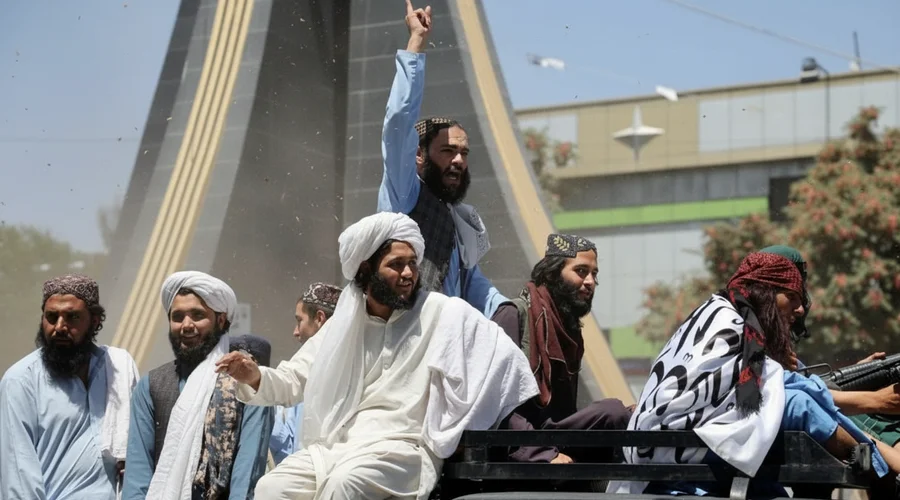
August 15, 2026, marks the fifth anniversary of the Taliban's return to power in Afghanistan. This significant milestone is being observed across the nation, particularly in the capital city of Kabul. The occasion brings into focus the profound changes that have reshaped Afghan society and its standing on the global stage since the 2021 withdrawal of international forces.
The return of the Taliban government followed a swift and largely unexpected collapse of the Western-backed administration, culminating in their entry into Kabul. This shift in governance initiated a new chapter for Afghanistan, characterized by a complex interplay of internal policies and international reactions.
Public Observances and Societal Shifts
In Kabul, various gatherings are taking place to commemorate the five-year mark. These public ceremonies, while reflecting a new era of governance, also highlight significant societal transformations. A notable aspect of these observances is the predominantly male presence, with women largely absent from the public commemorative events. This absence underscores broader trends regarding women's roles and visibility in Afghan society under the current administration.
Since 2021, a series of decrees and regulations have been implemented that have progressively restricted women's access to education, employment, and public spaces. These measures have drawn considerable international criticism and have led to a significant redefinition of women's participation in the country's social and economic fabric. The current situation represents a stark contrast to the freedoms and opportunities that many Afghan women had experienced in the two decades preceding the Taliban's return.
International Relations and Diplomatic Isolation
Five years on, Afghanistan continues to grapple with profound diplomatic isolation. The Taliban administration has yet to gain widespread international recognition, a factor that significantly impacts the country's ability to engage with the global community on various fronts. The lack of formal recognition has implications for foreign aid, trade, and diplomatic missions, contributing to the nation's economic challenges.
Many international bodies and individual nations have conditioned recognition on the Taliban's adherence to human rights, particularly those pertaining to women and minorities, and the establishment of an inclusive government. Progress on these fronts remains a key point of contention, perpetuating the state of diplomatic limbo. The international community largely continues to interact with Afghanistan through humanitarian channels rather than formal governmental engagement.
Escalating Humanitarian Needs
The past five years have also seen a worrying escalation in humanitarian needs across Afghanistan. A combination of factors, including prolonged conflict, economic instability, natural disasters, and the aforementioned diplomatic isolation, has contributed to a severe humanitarian crisis. Millions of Afghans face food insecurity, inadequate access to healthcare, and limited educational opportunities.
International aid organizations and the United Nations have consistently highlighted the dire situation, calling for increased support and unhindered access to vulnerable populations. However, the operational environment for these organizations remains challenging, often complicated by logistical hurdles and the need to navigate complex political landscapes. The economic downturn since 2021 has exacerbated poverty, with many households struggling to meet basic needs, leading to widespread displacement and reliance on external assistance.
The Future Outlook
As Afghanistan marks this five-year milestone, the path forward remains uncertain. The internal dynamics of governance, coupled with the ongoing challenges of international engagement and humanitarian crises, paint a complex picture. The international community watches closely, balancing concerns over human rights and stability with the imperative to prevent a complete societal collapse.
The current administration faces the monumental task of addressing these multifaceted challenges while navigating the expectations of its populace and the demands of the global community. The future trajectory of Afghanistan will undoubtedly depend on how these various pressures are managed and whether a more stable, inclusive, and internationally integrated path can be forged.