The Landscape of Resistance
As Afghanistan marks five years since the Taliban's return to power, the nature of armed opposition within the country has become a significant point of discussion. What was once a more consolidated resistance has fragmented into multiple groups, each operating under distinct names and banners. These factions have claimed responsibility for various attacks against government forces across several provinces, and their digital footprint has expanded considerably in recent months, signaling an increased presence in the online sphere.
A central question emerges from this evolving situation: does the proliferation of these groups signify a genuine expansion of armed resistance, or does it instead point to a deeper fragmentation and division among opposition leadership? The United Nations has acknowledged the continued activity of these armed groups, yet notes their inability to mount a substantial challenge to the Taliban's territorial control, as they do not hold any fixed geographical areas.
Early Resistance and Subsequent Challenges
The National Resistance Front (NRF) initially formed as a primary armed opposition immediately following the collapse of the previous Afghan government. Many former army and security personnel migrated to Panjshir province, north of Kabul, bringing with them weapons and equipment to join this nascent resistance. The NRF aimed to establish Panjshir as a stronghold against the Taliban; however, a major offensive by the Taliban led to the seizure of the provincial capital and most of the area, reducing the NRF's operations to more limited and intermittent skirmishes in various locations.
Karim Amini, a security affairs researcher, observed that political and military figures from the former Afghan government attempted to establish these armed fronts after the United States' withdrawal, intending to exert pressure on the Taliban. However, Amini suggests they largely failed to transform these initiatives into an influential force on the ground. A key reason for this, he posits, is that most of these groups were formed outside Afghanistan, severely limiting their capacity to establish a physical presence and cultivate a social base within the country. Furthermore, their reliance on armed confrontation clashed with an Afghan society weary from decades of conflict and unwilling to engage in another cycle of violence.
Societal Disconnect and the Quest for Legitimacy
According to Amini, many opposition forces also struggled to comprehend the profound societal changes Afghanistan had undergone after four decades of continuous conflict. They approached armed opposition as a political and military legacy that could simply be resurrected from abroad, rather than grounding their efforts in the current priorities and future aspirations of the Afghan people. The widespread fatigue with war has meant that many of these groups have been unable to find the local support necessary for a sustained presence. An opposition that does not stem from Afghan realities and the needs of its populace, Amini argues, will find it difficult to establish a foothold, regardless of its leadership or military experience.
The critical challenge for these groups extends beyond their ability to conduct sporadic attacks; it lies in their capacity to rebuild domestic trust, cultivate a social base, and articulate a compelling political vision. These conditions, Amini believes, are far more crucial than merely claiming responsibility for attacks or increasing the number of banners under which they operate.
Recent Clashes and Strategic Implications
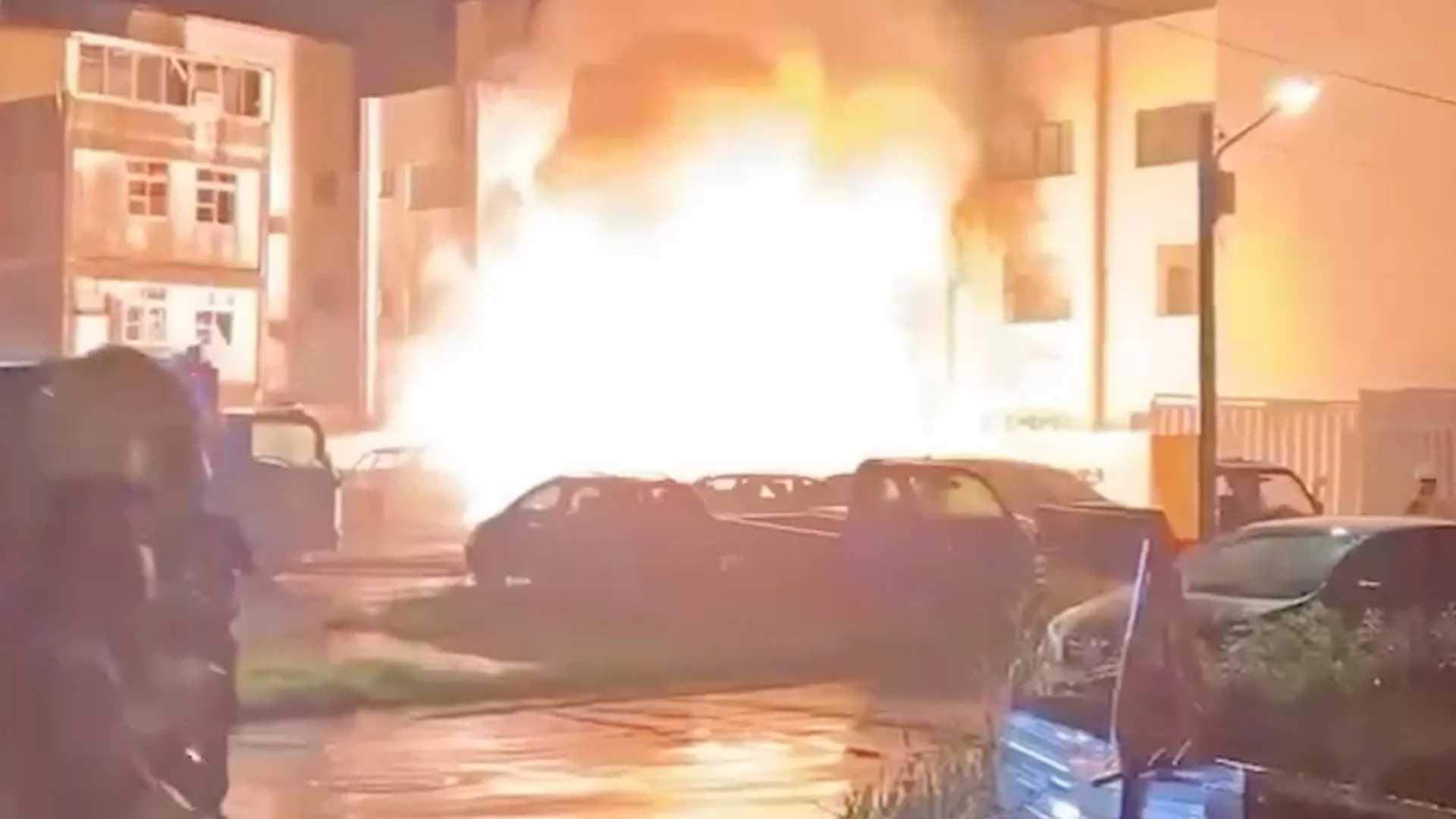
Recent fighting in Badakhshan province has reignited discussions about the future trajectory of the armed opposition. In July, the Afghanistan Freedom Front reported attacking Taliban positions in Zebak district, claiming to have seized military posts and inflicted losses. The Taliban, in response, stated they repelled the attack, killing several assailants, while the Front maintained it had successfully countered Taliban offensives. These clashes persisted for several days, a notable departure from the opposition's typical hit-and-run tactics, before the intensity subsided.
Abdul Karim Khan, another Afghan security affairs researcher, highlighted the significance of the Zebak fighting as a test of anti-Taliban groups' ability to move beyond brief engagements toward more sustained confrontations. However, he cautioned that this could not be deemed a strategic shift unless similar prolonged fighting occurred elsewhere. Khan emphasized that the true measure of success is not merely holding a position for a short period, but the ability to maintain it, secure supply lines, expand fighter networks, and compel the Taliban to make lasting alterations to its military deployments.
The Crowded Opposition Landscape and Digital Warfare
Beyond the National Resistance Front and the Afghanistan Freedom Front, numerous other groups have emerged, including the Homeland Army, the Freedom and Justice Movement, the United Front of Afghanistan, and many others. This crowded landscape, however, often leads to confusion, with multiple organizations sometimes claiming responsibility for the same operation, or groups based outside Afghanistan claiming attacks attributed to other factions.
Mohammad Nouri, an expert in digital media and armed conflict, pointed out that social media has become a secondary battlefield. Armed groups now need to assert their existence online as much as they do on the ground. Verifying claims of responsibility, he noted, requires cross-referencing photographs, videos, attack locations, witness testimonies, and statements from all involved parties, as a single statement alone is insufficient evidence.
Taliban's Perspective and Future Outlook
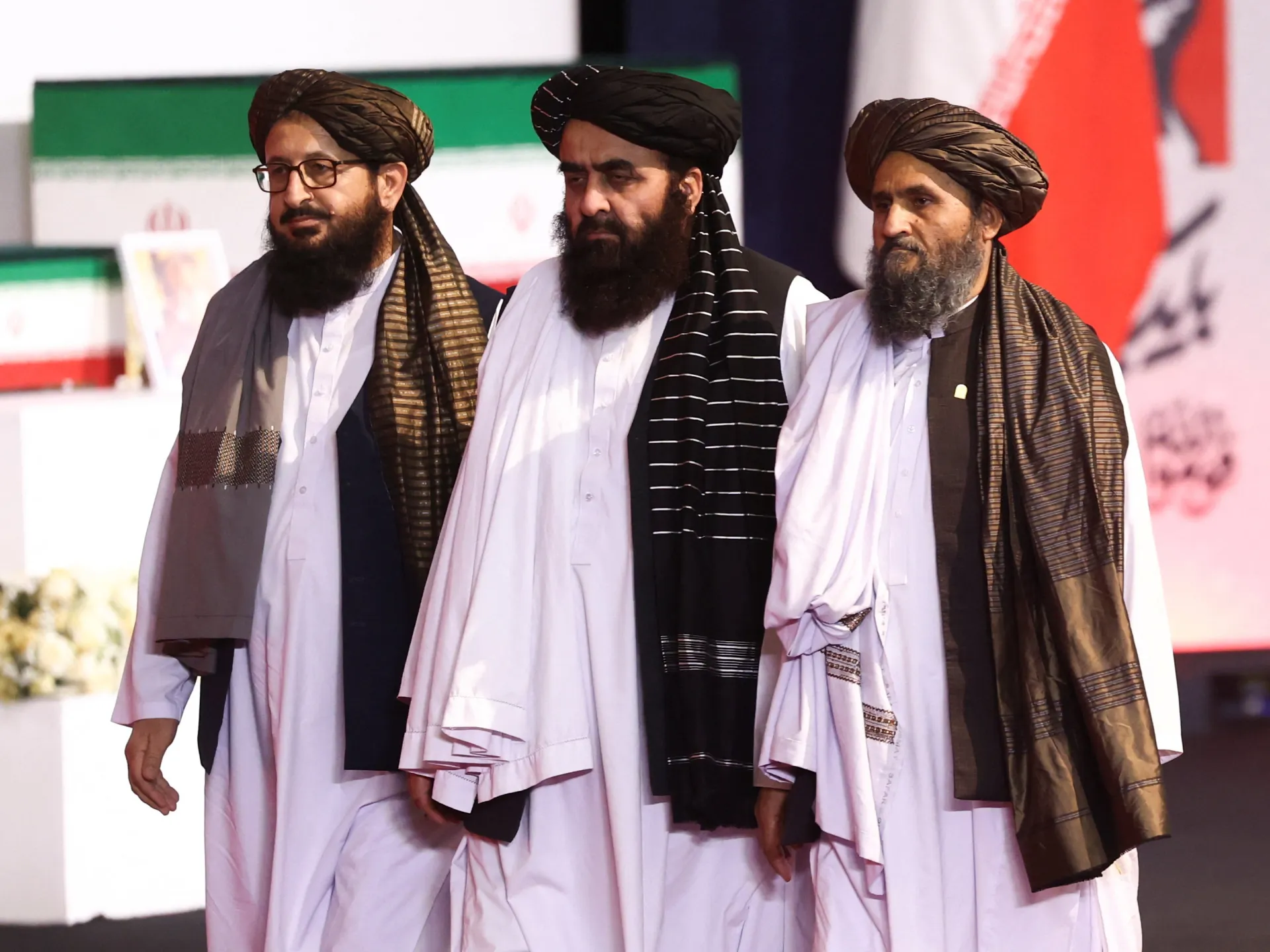
Afghan government spokesman Zabihullah Mujahid downplayed the activities of these armed groups, asserting that their presence is largely confined to the online realm rather than having a significant ground presence. He maintained that the government controls all Afghan territory and possesses the capability to address any insurgency or armed group, dismissing them as genuine threats to Afghanistan's stability. Mujahid argued that Afghan society, after decades of war, is now more committed to security and stability, and is unwilling to allow what he termed as 'warlords' to re-enter the political scene. He believes past experiences have led broad sections of the population to reject a return to armed conflict, concluding that while opposition fronts are active in cyberspace, this activity has not translated into a military presence capable of altering realities on the ground.
Despite the proliferation of these groups, the Taliban continues to control Afghanistan's cities, institutions, and maintains security forces across the provinces. No opposition group has managed to establish a sustainable area of territorial control. Nevertheless, ongoing attacks impose a security cost on the Taliban, necessitating the deployment of forces in remote regions to counter small groups capable of surprise attacks. The immediate objective of the opposition, therefore, might be less about capturing cities and more about gradually wearing down the Taliban and maintaining an active security front.
Rafiullah Kakar, an expert on armed movements, concurred that the opposition does not initially need to control vast areas to pressure the Taliban. However, he stressed the importance of sustaining operations that compel the Taliban to continuously allocate troops and resources. Kakar cautioned that attrition alone would not lead to political change unless the opposition simultaneously built a social base and presented a credible political project.
Khalid Ahmadi, a writer and political analyst, noted that the core issue is the armed opposition's tendency to exaggerate its operational capabilities, coupled with its failure to present a unified vision for a post-Taliban era. Concurrently, while the Taliban maintains control, it faces challenges regarding political legitimacy and foreign relations. The increasing number of armed fronts, Ahmadi concluded, does not necessarily portend a new civil war, but it undeniably indicates that conflict in Afghanistan did not cease with the collapse of the previous government.