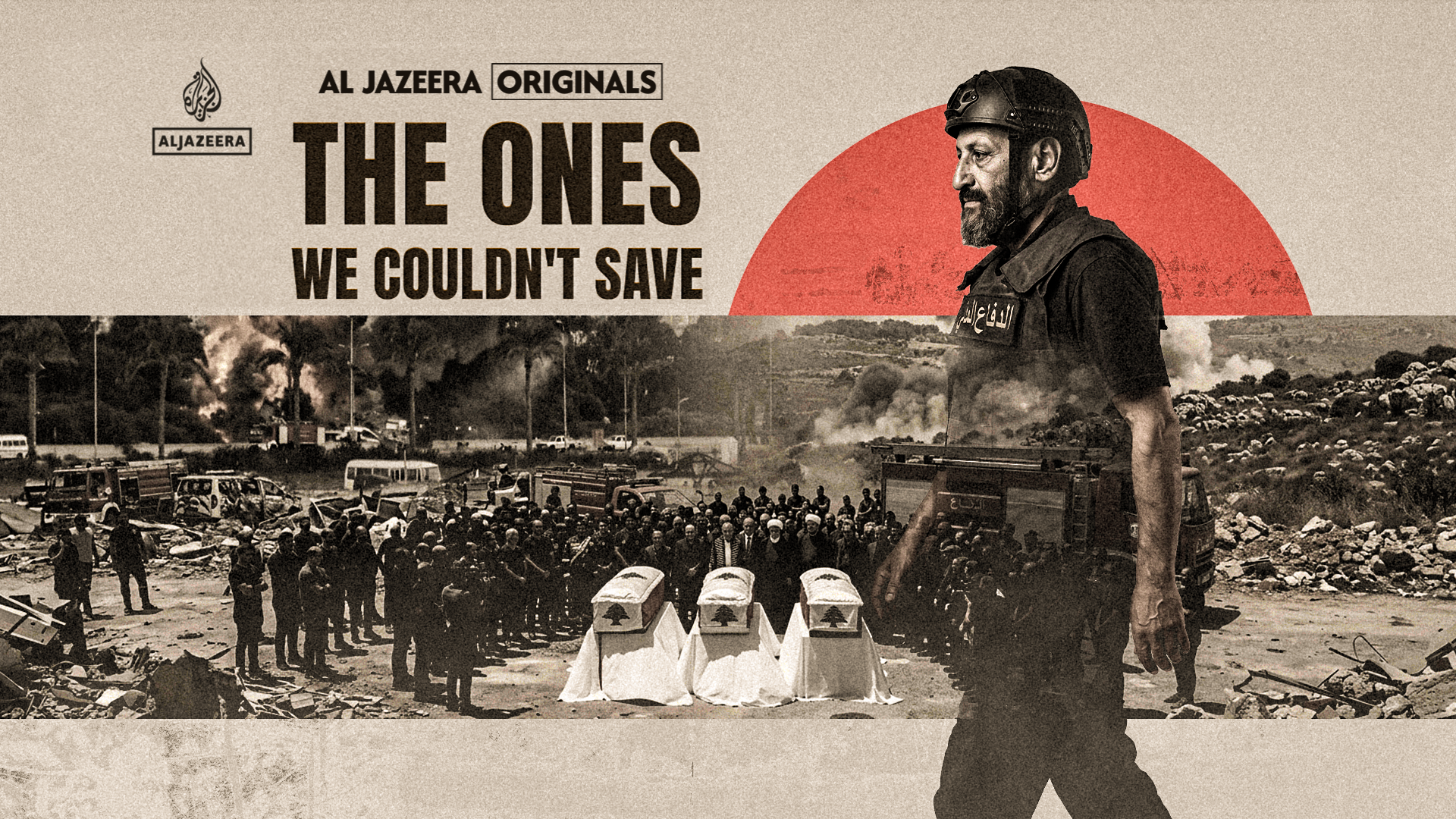
The Weight of a Decision
The 2006 Lebanon War left an indelible mark on countless lives, but for some, the scars run deeper, intertwined with a sense of personal responsibility and enduring grief. One such individual is Ali Safiuddin, a dedicated team leader with the Civil Defense. His story is a poignant testament to the human cost of conflict, particularly for those on the front lines of humanitarian aid.
Safiuddin, like many during times of intense conflict, sought to protect his loved ones from the escalating violence. Believing that the Civil Defense station, his workplace and a hub of emergency response, would offer a sanctuary, he made the difficult decision to bring his wife and young daughter, Lynn, there. It was a choice born out of a desire for safety, a hope that proximity to him and the perceived security of an official facility would shield them from harm. This decision, however, would tragically backfire, transforming a place of refuge into a site of unimaginable loss.
The Unforeseen Attack
The conflict in 2006 was characterized by intense aerial bombardment and ground operations. No area was entirely immune from the threat of attack, and even facilities typically considered off-limits in conventional warfare could become targets. In a devastating turn of events, the Civil Defense station, where Safiuddin had sought to safeguard his family, was struck during an Israeli attack. The specifics of the strike, whether it was intentional or collateral damage, are often debated in the aftermath of such events, but for Safiuddin, the outcome was unequivocally personal and catastrophic.
The very place where he had dedicated his life to saving others became the scene of his most profound personal tragedy. The details of the attack itself, the immediate aftermath, and the desperate search for survivors are etched into the memories of those present. For a man whose daily existence revolved around responding to emergencies and alleviating suffering, this particular incident transcended the professional and plunged him into a personal nightmare. The irony of a rescuer being unable to save his own family in a place he believed secure adds another layer of heartbreak to his experience.
A Rescuer's Guilt and Enduring Impact
The aftermath of such a loss is often characterized by a complex array of emotions, and for Safiuddin, a profound sense of guilt has been a persistent companion. "I feel guilty that I was the one who brought them there," he has reportedly stated, articulating a common sentiment among those who have made decisions under duress that later lead to tragic consequences. This self-reproach is not uncommon; individuals often second-guess their choices when faced with unforeseen and devastating outcomes, especially when those choices involve the well-being of loved ones.
This deep-seated guilt, coupled with the raw grief of losing his wife and daughter, has not diminished with time. Instead, it has become an integral part of his identity and, remarkably, has shaped his continued work as a first responder. While some might retreat from such a profession after experiencing such a personal tragedy, Safiuddin has seemingly found a way to channel his pain into an even deeper commitment to his work. His experience provides a unique perspective on the psychological toll of conflict, particularly on those who serve in humanitarian roles.
The Legacy of Loss and Resilience
Safiuddin's story is not merely one of loss but also one of profound human resilience. Despite the immense personal suffering, he continues to serve, embodying the spirit of dedication that often characterizes first responders in conflict zones. His continued work, undoubtedly influenced by his personal tragedy, likely imbues his actions with a heightened sense of empathy and urgency. Every rescue, every life saved, might carry a silent resonance of those he could not protect.
The 2006 Lebanon War was a period of intense hardship for the Lebanese people, and the experiences of individuals like Ali Safiuddin serve as powerful reminders of the personal narratives often overshadowed by broader geopolitical analyses. His story underscores the fact that behind every headline and statistic of conflict, there are countless individual tragedies and acts of enduring courage. It highlights the often-overlooked emotional burden carried by those who dedicate their lives to helping others, especially when their own lives are irrevocably altered by the very crises they strive to mitigate. Safiuddin's ongoing commitment to his work, despite his unimaginable loss, stands as a testament to the complex interplay of grief, duty, and resilience in the face of adversity.