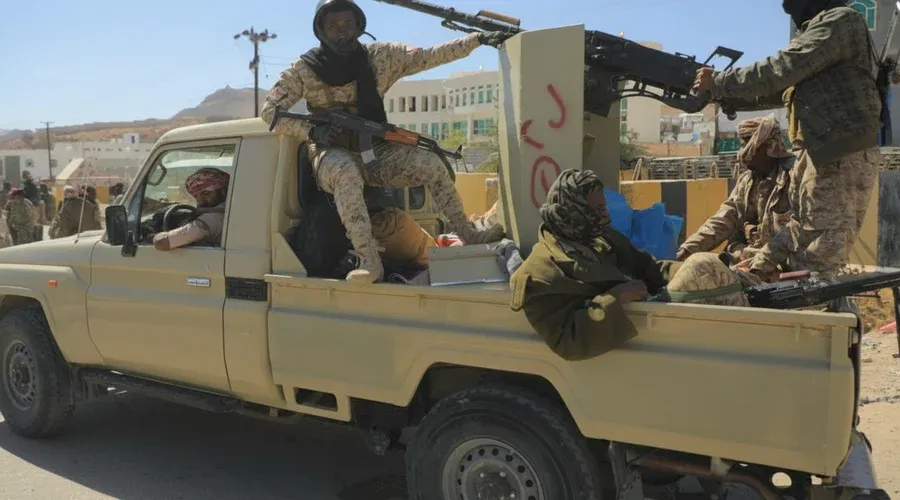
Houthi fighters launched attacks west of Taiz province on 3 September 2026, seeking to sever the road linking Taiz city to the port of al-Makha. Yemeni government forces reported repelling advances while both sides sustained casualties.
What triggered the latest fighting in southwest Yemen?
Houthi forces attempted to advance toward the Taiz-al-Makha road on 3 September 2026, aiming to disrupt government supply lines. Yemen’s Army Media Centre stated that Houthi fighters fired 14 ballistic missiles and used drones against districts in Taiz and Hodeidah provinces.
Where did the clashes occur?
Fighting concentrated in the Maqbanah Mountains and areas including al-Ahtoub, al-Tuwair, al-Kadha and Jabal Ghabari. Government positions near al-Makha also faced attempted infiltration by sea.
What are the reported casualties?
[TO VERIFY: casualty numbers] Yemen’s Army Media Centre reported more than 18 Houthi fighters killed. An unnamed military source told AFP that 13 government troops died, most along the al-Makha-Taiz front.
How does the situation fit the broader Yemen conflict?
The 2022 truce has largely held until recent weeks. Renewed ground offensives and drone strikes indicate both sides are seeking territorial gains amid stalled peace talks.
Frequently asked questions
What is the strategic importance of al-Makha?
Control of the port would give access to Red Sea routes used for oil exports and global trade.
Have civilian areas been affected?
Missile and drone strikes targeted populated districts according to government reports; independent verification remains limited.
Is the truce still in effect?
The 2022 agreement has not been formally ended, yet intensified fighting signals its erosion.
Key takeaways
Houthi forces attempted to cut the Taiz-al-Makha road on 3 September 2026.
Government forces claimed to have regained some seized positions.
Casualty figures originate from military sources on both sides.
Regional tensions linked to Gaza have complicated prior peace efforts.
Sophia Rodriguez brings a unique perspective to global events, covering migration and its profound impact on education and culture worldwide. Her reporting centers on the human experience of movement, examining how individuals and communities adapt, integrate, and transform in new environments, with a particular focus on how educational systems respond to these shifts and how cultural identities evolve. She provides readers with a comprehensive view, from daily dispatches on refugee movements and policy changes to longer-form analyses of cultural preservation efforts and investigative pieces on educational access for displaced populations. Sophia’s approach to a story often starts with the voices of those directly affected by migration, whether they are individuals navigating new educational landscapes or cultural leaders striving to maintain traditions. She builds her narratives by combining personal stories with broader socio-economic data, academic research, and policy analysis, always cross-referencing information with international organizations, local community groups, and official records. Her commitment to thoroughness ensures that her reporting captures both the micro and macro implications of global migration. Readers of Sophia’s work will find deeply empathetic yet rigorously reported accounts that illuminate the complexities of migration, offering insights into the resilience of the human spirit, the challenges of cultural integration, and the critical role education plays in fostering new societies. Her stories empower readers with knowledge that transcends headlines, providing a deeper understanding of one of the most defining issues of our time.