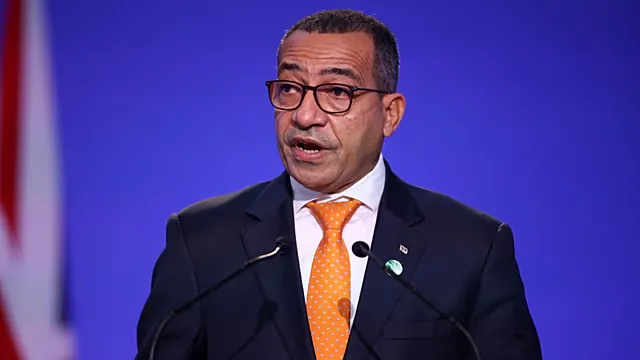
Sassou N'Guesso meets Macron to discuss Great Lakes security
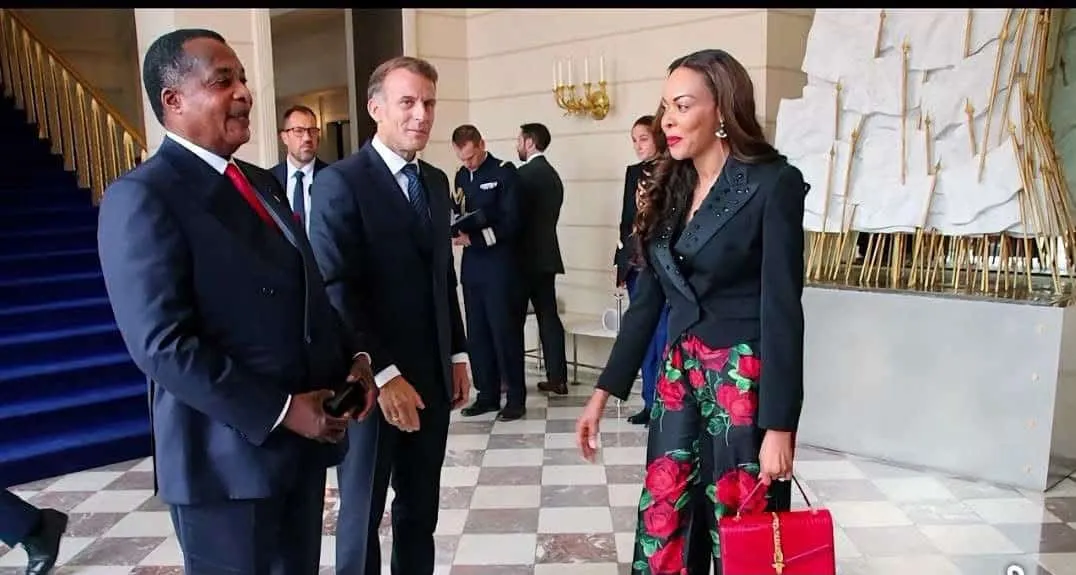
Congolese President Denis Sassou N'Guesso met French President Emmanuel Macron at the Élysée Palace on September 9 2026. The closed-door talks focused on armed clashes in eastern Democratic Republic of Congo and related border tensions. Both leaders stressed the need to prevent wider destabilization across the Central African region and the CEMAC zone.
Élysée Palace, Paris — French President Emmanuel Macron alongside Congolese President Denis Sassou Nguesso and Dr Françoise Joly. — Sassou N'Guesso meets Macron to discuss Great Lakes security
Meeting at the Élysée Palace
The two heads of state engaged in private discussions concerning the persistent armed clashes in the eastern Democratic Republic of Congo and the attendant border tensions. A consensus was reached regarding the imperative to avert a broader destabilization that could imperil the wider Central African region.
Shared assessment of risks
Both delegations acknowledged the significant humanitarian and economic repercussions stemming from the ongoing hostilities. These consequences notably include disruptions to cross-border trade and population displacement. Emphasis was placed on the utility of diplomatic avenues over exclusively military interventions.
— Présidence de la République du Congo - Officiel (@PR_Congo) September 9, 2026
Role of Congo as facilitator
Given its established diplomatic conduits with various regional capitals, the Republic of Congo is perceived by France as a valuable intermediary. The recent meeting underscored continued endorsement for mediation efforts aligned with the frameworks established by the Luanda and Nairobi processes.
Protection of the Congo River corridor
The preservation of stability along the shared riverine border with Kinshasa was delineated as a critical priority. Concerns were raised that any escalation or spillover of the conflict could impede vital transport routes and exert an adverse impact on the broader economy of the CEMAC zone.
Next steps in coordination
Both nations expressed their intention to harmonize their diplomatic postures at the United Nations and within the European Union, with the objective of fostering negotiated resolutions to the prevailing regional challenges.
Aisha Khan, Senior Correspondent, covers the intricate landscape of Politics and the vibrant world of Arts and Culture. Her reporting often highlights the points of intersection between these two realms, exploring how political shifts influence artistic expression and how cultural movements can drive political discourse across the continent. She contributes a diverse range of pieces, from breaking news analyses of political developments and cultural events to in-depth explainers that demystify complex policy decisions or artistic trends, and meticulously researched long-form investigations into the systemic issues affecting both sectors. Aisha's reporting process begins with identifying emerging narratives, often through direct engagement with communities, artists, and political stakeholders, as well as rigorous analysis of official documents and cultural archives. She prioritizes verification through cross-referencing multiple independent sources, seeking expert opinions, and conducting extensive interviews to ensure accuracy and provide a comprehensive perspective. Every claim is scrutinized against primary evidence and corroborated by diverse viewpoints. A reader following Aisha Khan’s work gains a nuanced understanding of the forces shaping Africa's political and cultural identity. Her reports provide not just facts, but also context, analysis, and foresight, enabling readers to appreciate the deeper implications of current events and to recognize the reciprocal relationship between governance and creative expression. Her commitment to detail and her ability to weave together seemingly disparate threads ensures that readers emerge with a holistic and informed view of the continent's dynamic evolution.