Why Morocco’s security profile supports long-term investment
Regional stability remains a decisive factor for companies evaluating North African locations. Morocco has avoided the large-scale internal conflict seen elsewhere in the Maghreb. Its security services cooperate closely with European and U.S. counterparts on counter-terrorism, producing a low incidence of attacks on foreign interests. The U.S. State Department currently rates the country at Level 2, indicating travelers should exercise increased caution but not avoid travel. This rating has remained consistent for several years, giving investors predictable risk parameters.
Economic reforms that improve the business climate
Successive governments have liberalized sectors once dominated by state enterprises. The 2020 Investment Charter introduced tax incentives for export-oriented industries and simplified land-acquisition procedures for foreign firms. Automotive and aerospace clusters around Tangier and Casablanca now host major assembly plants from Renault, Stellantis and Boeing suppliers. These clusters benefit from dedicated industrial zones, improved port infrastructure at Tanger-Med and vocational training programs aligned with employer needs. Continued implementation of these policies will determine whether Morocco can move from assembly to higher-value manufacturing.
Tourism recovery and its spillover effects
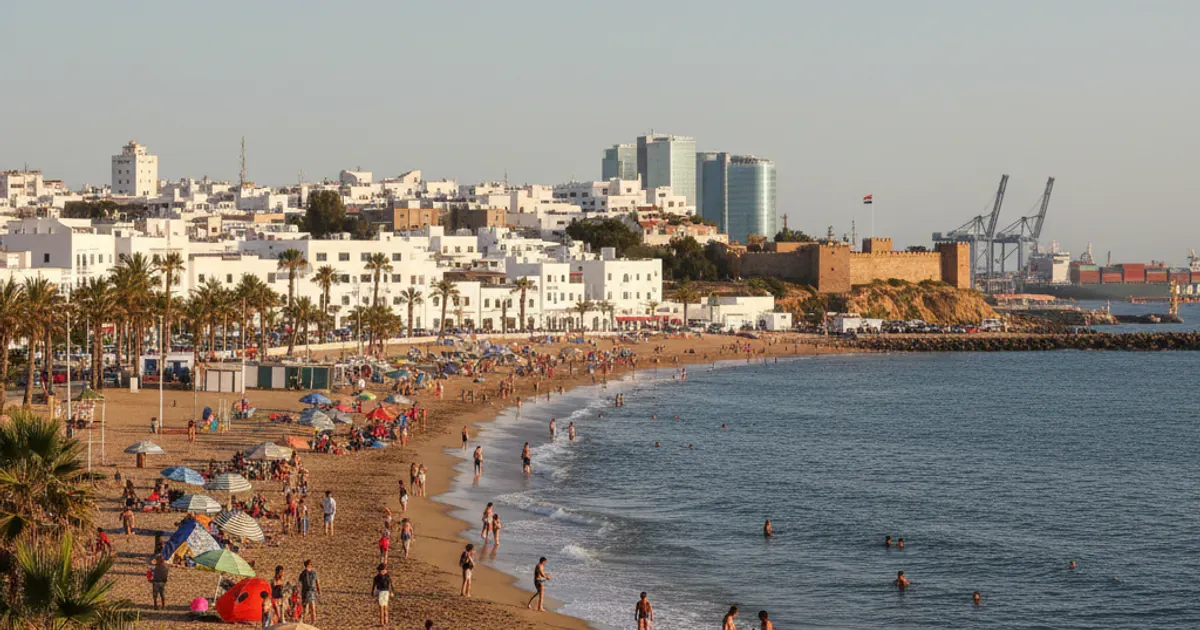
International visitor numbers surpassed pre-pandemic levels in 2023, driven by European and U.S. markets. Government targets aim for 26 million arrivals by 2030 through new airport capacity and promotion of desert and mountain destinations beyond Marrakech and Agadir. Hotel investment has accelerated, particularly in mid-range and eco-lodge segments. Growth in tourism directly supports employment in hospitality and transport while creating demand for locally sourced agricultural products. Any sustained slowdown in European source markets would, however, expose the sector’s concentration risk.
Challenges that temper the positive outlook
Youth unemployment remains structurally high, exceeding 35 percent in urban areas. Water scarcity affects both agriculture and industrial projects, prompting increased spending on desalination. Bureaucratic delays in permitting still occur despite digitalization efforts. These frictions do not negate the overall trajectory but require investors to build contingency timelines into project planning.
Frequently asked questions about Morocco business opportunities
What sectors currently attract the most foreign direct investment?
Renewable energy, automotive components and logistics lead inflows, supported by dedicated industrial parks and export incentives.
Is Morocco considered safe for business travelers?
Most major cities and industrial zones report low violent crime against foreigners. Standard precautions and use of registered transport remain advisable outside tourist corridors.
How does the tourism rebound affect the wider economy?
Higher visitor spending supports jobs in services and agriculture while generating foreign currency that helps stabilize the balance of payments.
Key takeaways
Morocco’s security environment remains among the most stable in North Africa.
Targeted investment charters and infrastructure projects continue to lower entry barriers for manufacturers.
Tourism growth above 2019 levels provides additional demand for hospitality and agri-food sectors.
Structural issues such as youth unemployment and water stress require ongoing policy attention.