We store a little data on your device — what the site needs to work, and, only if you allow it, a count of which stories are read. The detail is in Privacy Policy, and you can change your answer at any time from the cookie settings link in the footer.
Vinícius Júnior sends surprise message to Sudanese boy Zaher
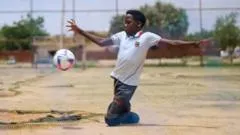
Real Madrid footballer Vinícius Júnior has sent a video message to 13-year-old Zaher to praise his courage. Zaher recently received prosthetic legs following a drone strike in Khartoum, Sudan, which occurred during the ongoing conflict between the Sudanese army and the Rapid Support Forces (RSF).
The video message from the professional footballer included an invitation for Zaher to spend a day at a Real Madrid match. This gesture follows a period of intensive medical treatment for the teenager, who lost both his legs during a drone strike in the Sudanese capital.
Zaher's journey toward mobility began after his story gained public attention. When the BBC met him in 2025, he expressed a desire to walk and play football again. Following his story's resonance with viewers, funds were raised to provide medical treatment in Cairo, Egypt, which included the provision of prosthetic legs.
Medical treatment and return to Sudan
The recovery process involved several stages of clinical and emotional care in Cairo. According to the report, Zaher underwent surgery followed by months of physiotherapy and psychological support. This comprehensive care was necessary to facilitate his transition to using the new prosthetic limbs.
Upon his return to Sudan, Zaher stated that he felt "uplifted" by the message sent by Vinícius Júnior. His recovery comes amid the continued devastation in Khartoum, where the battle between the Sudanese army and the RSF remains active.
Sophia Rodriguez brings a unique perspective to global events, covering migration and its profound impact on education and culture worldwide. Her reporting centers on the human experience of movement, examining how individuals and communities adapt, integrate, and transform in new environments, with a particular focus on how educational systems respond to these shifts and how cultural identities evolve. She provides readers with a comprehensive view, from daily dispatches on refugee movements and policy changes to longer-form analyses of cultural preservation efforts and investigative pieces on educational access for displaced populations. Sophia’s approach to a story often starts with the voices of those directly affected by migration, whether they are individuals navigating new educational landscapes or cultural leaders striving to maintain traditions. She builds her narratives by combining personal stories with broader socio-economic data, academic research, and policy analysis, always cross-referencing information with international organizations, local community groups, and official records. Her commitment to thoroughness ensures that her reporting captures both the micro and macro implications of global migration. Readers of Sophia’s work will find deeply empathetic yet rigorously reported accounts that illuminate the complexities of migration, offering insights into the resilience of the human spirit, the challenges of cultural integration, and the critical role education plays in fostering new societies. Her stories empower readers with knowledge that transcends headlines, providing a deeper understanding of one of the most defining issues of our time.