UK Foreign Secretary Condemns Israeli Settlements in Occupied West Bank
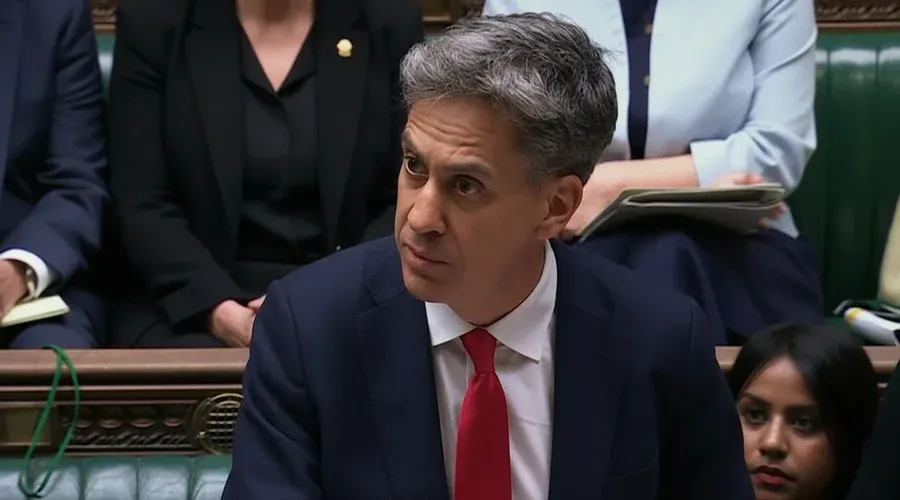
UK Foreign Secretary Edward Miliband condemned Israeli settlements in the occupied West Bank on September 1, 2026, stating that such actions threaten the viability of a two-state solution. The remarks come amid ongoing tensions in the region.
UK Foreign Secretary Edward Miliband issued a statement on September 1, 2026, condemning the expansion of Israeli settlements in the occupied West Bank. Miliband emphasized that these settlements undermine the prospects for a peaceful resolution to the Israel-Palestine conflict and risk destroying the possibility of a two-state solution.
Context of the Israeli-Palestinian Conflict
The West Bank has been a focal point of the Israeli-Palestinian conflict for decades. Israeli settlements, considered illegal under international law by the United Nations and most of the international community, have continued to expand despite widespread condemnation. The UK government has historically opposed settlement expansion, viewing it as an obstacle to peace.
International Reactions and Implications
Miliband’s statement aligns with the long-standing position of the UK and other Western nations, which have repeatedly called for a halt to settlement activities. However, the Israeli government has defended its settlement policies, arguing they are necessary for security and historical reasons. The UK’s condemnation comes at a time of heightened tensions, with recent violence in the region further complicating diplomatic efforts.
Future of the Two-State Solution
The two-state solution, which envisions an independent Palestinian state alongside Israel, has been the cornerstone of international diplomacy for decades. Miliband’s remarks highlight concerns that continued settlement expansion could render this solution unviable. The UK has urged both sides to return to negotiations, but the path to peace remains fraught with challenges.
Editor’s Note
[TO VERIFY: Specific details of Miliband’s statement, including direct quotes and any additional context on UK policy shifts. Further clarification on recent settlement expansion data and international responses. Enrichment recommended on: UK-Israel relations, historical context of settlements, and recent diplomatic developments.]
Sophia Rodriguez brings a unique perspective to global events, covering migration and its profound impact on education and culture worldwide. Her reporting centers on the human experience of movement, examining how individuals and communities adapt, integrate, and transform in new environments, with a particular focus on how educational systems respond to these shifts and how cultural identities evolve. She provides readers with a comprehensive view, from daily dispatches on refugee movements and policy changes to longer-form analyses of cultural preservation efforts and investigative pieces on educational access for displaced populations. Sophia’s approach to a story often starts with the voices of those directly affected by migration, whether they are individuals navigating new educational landscapes or cultural leaders striving to maintain traditions. She builds her narratives by combining personal stories with broader socio-economic data, academic research, and policy analysis, always cross-referencing information with international organizations, local community groups, and official records. Her commitment to thoroughness ensures that her reporting captures both the micro and macro implications of global migration. Readers of Sophia’s work will find deeply empathetic yet rigorously reported accounts that illuminate the complexities of migration, offering insights into the resilience of the human spirit, the challenges of cultural integration, and the critical role education plays in fostering new societies. Her stories empower readers with knowledge that transcends headlines, providing a deeper understanding of one of the most defining issues of our time.