What is driving the increase in child malnutrition in Karamoja?
Save the Children attributes the worsening situation to prolonged dry spells connected to the super El Niño event. These conditions have caused crop failures and reduced food availability across drought-prone areas of Uganda and East Africa. The organisation states that food insecurity in Karamoja has deteriorated over recent months as a direct result.
How many children are affected according to the latest assessment?
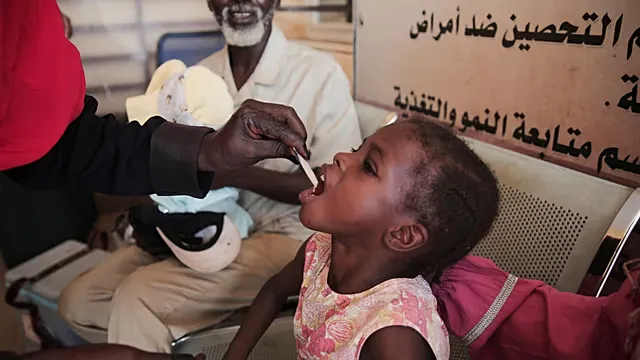
Current estimates place the number of acutely malnourished children at 154,200, up from 122,100 recorded in the June assessment. Of these, approximately 38,000 children are either experiencing or at imminent risk of the most severe form of malnutrition that requires immediate medical intervention.
Which areas of Uganda are most impacted?
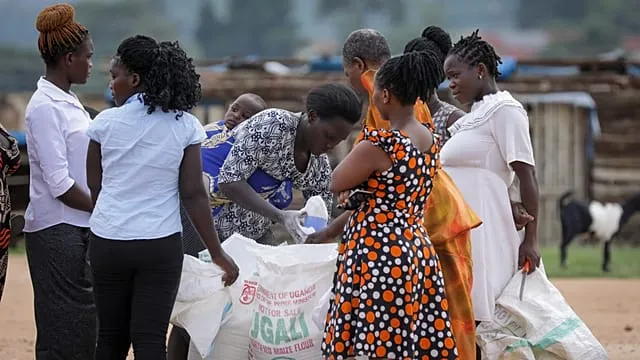
The Karamoja region in the northeast accounts for the reported rise. This area, home to roughly 1.6 million residents, has experienced the sharpest decline in food security. Similar drought effects are noted in other parts of Uganda and neighbouring East African countries.
What actions has Save the Children recommended?
The organisation calls for urgent scaling up of nutrition programmes and support to affected families. It emphasises the need to address both immediate medical needs for the most severely affected children and longer-term measures to restore food production in drought-hit zones.
Frequently asked questions
What is acute malnutrition?
Acute malnutrition refers to a sudden and severe weight loss or failure to gain weight in children, often measured by low mid-upper arm circumference or weight-for-height ratios. It increases vulnerability to illness and death if untreated.
How does El Niño contribute to malnutrition?
El Niño events alter rainfall patterns, leading to extended dry periods that damage crops and reduce harvests. In Karamoja this has directly lowered local food supplies and pushed more households into food insecurity.
Is the 25 percent rise a forecast or current trend?
The 25 percent increase by 2026 is a projection based on current trends and weather forecasts. The observed jump from 122,100 to 154,200 children already reflects recent deterioration.
Key takeaways
Acute malnutrition cases in Karamoja rose from 122,100 to 154,200 since June.
Save the Children projects a further 25 percent increase by 2026.
Around 38,000 children face the most severe form needing urgent treatment.
El Niño-related dry spells are the main driver of crop failures and food shortages.
Karamoja region has 1.6 million residents and worsening food insecurity.