Chad-Cameroon Pipeline Generates 222.2 Billion FCFA Transit Revenue as CEMAC Integration Model
Between 2020 and 2025 Cameroon collected 222.2 billion FCFA in transit fees on Chadian crude exported through the Kribi terminal. The Chad-Cameroon pipeline, operational since 2003, demonstrates how infrastructure can drive economic interdependence in Central Africa ahead of formal political integration. This article examines the financial results, mutual benefits for both countries, and the potential for replication across other sectors in the CEMAC region through 2030.
How the Chad-Cameroon pipeline created sustained transit revenue
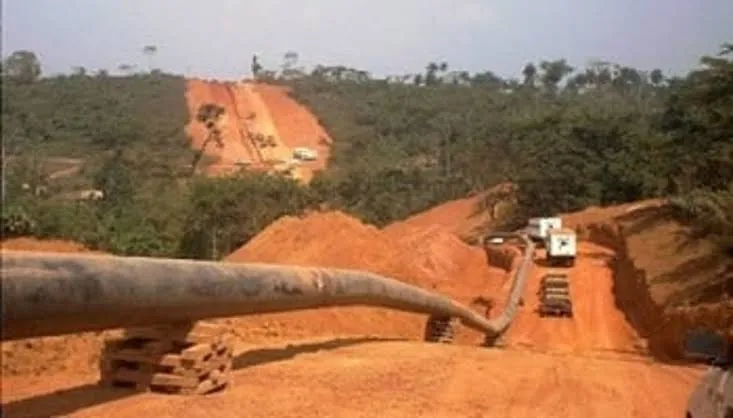
From 2020 through 2025 Cameroon recorded 222.2 billion FCFA in transit payments on Chadian oil shipments. Annual receipts averaged 37 billion FCFA, with an additional 15.1 billion FCFA booked by the end of May 2026. The 1,070-kilometer pipeline links oil fields in southern Chad to the deep-water port at Kribi, Cameroon. Since operations began in 2003 the corridor has provided the only reliable export route for Chadian crude.
Geographic complementarity and economic interdependence
Cameroon monetizes its coastal location without producing the oil. The revenue stream supports public finances and strengthens the strategic role of Kribi port. Chad, a landlocked producer, gains secure access to international markets that keeps its crude competitive. Both governments therefore share an interest in stable pipeline operations and continued Chadian production.
Extending the model to other CEMAC sectors
The current transit tariff stands at 1.321 dollars per barrel. Planned revisions should focus on joint modernization rather than unilateral adjustments. Reinvestment of a portion of transit receipts into roads, security, social projects and environmental protection along the route is identified as a priority for 2026-2030. Connection of the corridor to regional rail and digital networks is also proposed.
Key takeaways
Cameroon received 222.2 billion FCFA in transit fees from 2020 to 2025.
The pipeline has operated continuously since 2003.
Transit revenue averaged 37 billion FCFA per year.
Additional 15.1 billion FCFA was recorded by May 2026.
The project links Chadian production to the Kribi export terminal.
Frequently asked questions
What is the current transit fee per barrel?
The tariff is set at 1.321 dollars per barrel.
Which countries benefit directly from the pipeline?
Cameroon receives transit revenue; Chad gains an export route for its crude.
When did commercial operations start?
The pipeline entered service in 2003.
Can the model apply to electricity or minerals?
Regional authorities have identified potential extension to power, gas and mineral corridors.
What investment priorities are set for 2026-2030?
Reinvestment in infrastructure along the route and linkage to regional rail and digital networks.
Eleanor Vance brings a unique perspective to her role as an Energy and Infrastructure Analyst, with a particular focus on the intersection of these critical sectors with education. Her reporting delves into how energy policy and infrastructure development directly impact educational opportunities and outcomes across various communities. She meticulously examines the availability of resources, the construction of facilities, and the technological advancements that shape learning environments. Vance is known for filing in-depth explainers that break down complex energy and infrastructure projects, as well as longer investigations that uncover systemic issues affecting educational access and quality. Her daily stories often highlight the immediate effects of policy changes on students and educators. Eleanor approaches each story by starting with a deep dive into official reports, academic studies, and policy documents, followed by extensive interviews with stakeholders ranging from government officials and industry experts to local community leaders, teachers, and students. She prioritizes on-the-ground reporting, visiting schools and project sites to gather firsthand accounts and observe conditions directly. Her verification process involves cross-referencing information from multiple, diverse sources, ensuring accuracy and providing a comprehensive understanding of the topic. From Eleanor’s reporting, readers gain a clear and nuanced understanding of how energy and infrastructure decisions are not merely economic or political, but profoundly influence the future of education and human development. Her work offers insights into the challenges and opportunities within these sectors, empowering readers with the knowledge to understand their broader societal implications.