What diseases are spreading in Sudan right now?
Cholera, dengue fever and malaria are among the main illnesses affecting multiple regions. A new cholera wave began in June in Darfur and Kordofan. The World Health Organization recorded nearly 2,900 cases and 247 deaths from this wave. United Nations data indicate that repeated cholera outbreaks have caused more than 3,500 deaths since July 2024. Dengue fever and malaria cases have risen sharply in Gezira and Blue Nile states.
How has the conflict affected healthcare delivery?
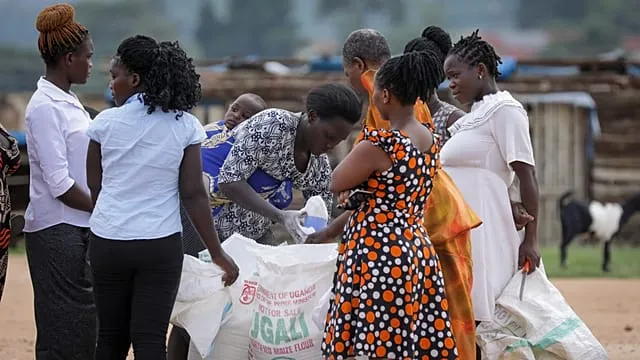
More than three years of armed conflict have left the healthcare system with severe shortages of medicines, supplies and staff. Basic services such as waste collection, drainage maintenance and environmental sanitation have been disrupted in many areas. Access to clean drinking water remains limited, which increases the risk of waterborne diseases. The ongoing conflict has placed Sudan's medical system under severe financial strain, with widespread shortages continuing to undermine urgently needed care.
What local measures are being taken?
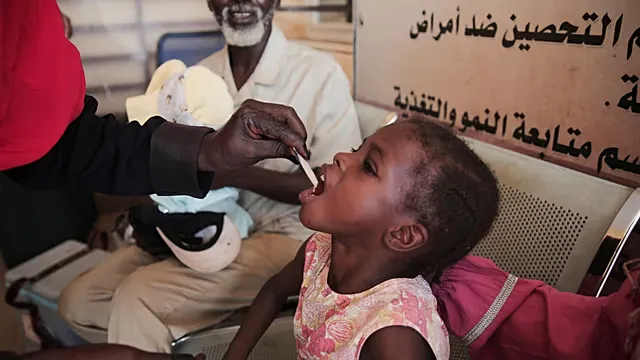
The Ministry of Health has launched cholera vaccination campaigns in Darfur and Kordofan. Humanitarian organisations are expanding supplies of safe drinking water and improving sanitation efforts. Blue Nile State health minister Mustafa Jabrallah reported more than 680 dengue cases in the state and called for immediate support from aid groups. "Recently, over 680 cases of dengue fever have been recorded in Blue Nile State, and the number continues to rise. We hope that relevant aid organizations will act immediately and provide support," he said. Sudan's Ministry of Health has also started cholera vaccination campaigns conducted by health ministry workers.
Why do outbreaks continue despite these efforts?
Heavy rains, high temperatures and growing mosquito populations in some regions make disease control more difficult. Resident Jaffer Hassan noted that dengue treatment requires many medicines and nutritional supplements that remain in short supply. "The dengue fever outbreak is spreading rapidly from Blue Nile to other regions. Treatment is extremely expensive, requiring many medicines and nutritional supplements. But the shortage of medicine is severe, and many people are struggling desperately," he said. Despite vaccination drives and water supply projects, environmental conditions continue to pose challenges.
Frequently asked questions
How many cholera deaths have occurred since July 2024?
United Nations figures show more than 3,500 deaths from repeated cholera outbreaks in Sudan since July 2024.
Which regions are most affected by dengue?
Blue Nile and Gezira states have recorded the largest recent increases in dengue cases.
Are vaccination campaigns underway?
Yes, the Ministry of Health has started cholera vaccination drives in Darfur and Kordofan.
What prevents better disease control?
Shortages of medicines and staff, damaged sanitation systems and unfavourable weather conditions continue to limit response efforts.
Key takeaways
Cholera, dengue and malaria outbreaks are active across several Sudanese regions.
Conflict has caused widespread shortages of medicines, staff and clean water.
Nearly 2,900 cholera cases and 247 deaths were recorded in the latest wave.
Over 3,500 people have died from cholera since July 2024 according to UN data.
Vaccination and water supply projects are under way but face ongoing environmental challenges.