The shifting electoral landscape and ANC's decline
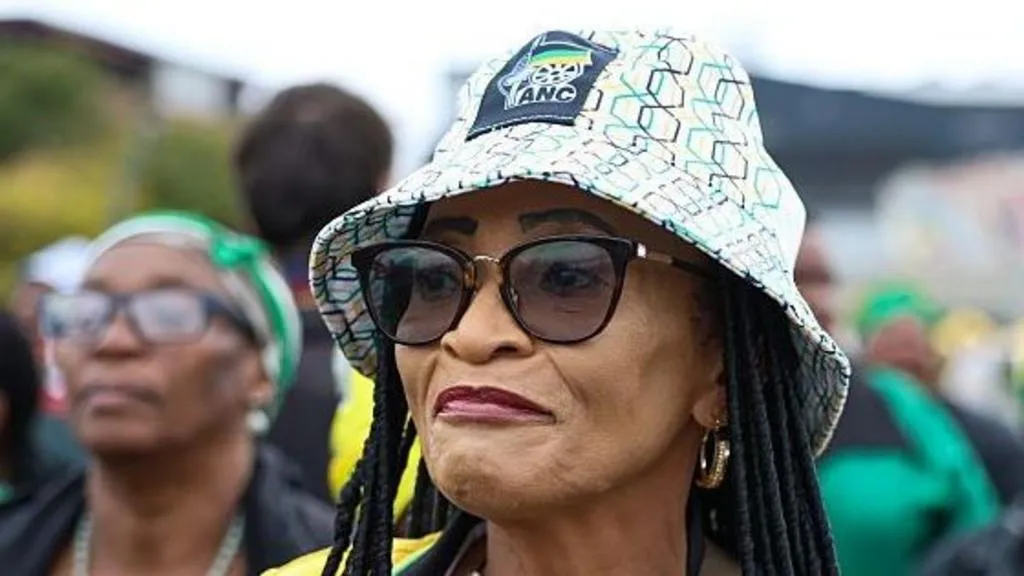
The African National Congress (ANC) has experienced its most significant electoral setback since the country's transition to democracy in 1994. According to recent election data, the party's share of the vote fell to 31%, a sharp decrease from the 46% it held during the previous local election cycle. This decline has fundamentally altered the party's ability to govern independently at the municipal level.
The impact of this loss is visible across the country's provincial and urban structures. The ANC secured a majority in only one of South Africa's nine provinces, Limpopo, whereas it previously held majorities in six provinces. In terms of urban governance, the party won the most votes in just two of the country's eight major cities, a significant drop from the six cities it controlled in 2021.
Provincial and Urban Control Comparison
| Metric | Previous Local Election | 2026 Local Election |
|---|---|---|
| ANC National Vote Share | 46% | 31% |
| ANC Provincial Majorities | 6 | 1 |
| ANC Major City Wins | 6 | 2 |
The rise of the DA and MK in key regions
While the ANC's support waned, the Democratic Alliance (DA) and the uMkhonto weSizwe (MK) Party emerged as significant forces in specific regions. The DA, described as a pro-business party, saw its national vote share rise to 25%, up from 22% five years ago. The party achieved notable successes in Gauteng, the nation's economic powerhouse, winning the most votes in Johannesburg, Pretoria, and the Ekurhuleni region.
The MK Party, led by former President Jacob Zuma, maintained its position as a major political player by securing 10% of the national vote. This performance mirrors its 2024 national election result, where it became the official opposition. The MK Party's strongest performance was in the KwaZulu-Natal province, where it became the largest party with 34% of the vote, including the port city of Durban.
The DA also demonstrated its continued strength in other areas, retaining its majority in Cape Town and securing the most votes in Nelson Mandela Bay. The current distribution of power highlights a highly fragmented electorate where no single party holds undisputed control over the country's most vital economic zones.
Coalition negotiations and the avoidance of the DA
The ANC is currently engaged in intense negotiations to form local governments, with a deadline of 27 November to finalize power-sharing agreements. Despite the existence of a national Government of National Unity (GNU) involving the ANC and the DA, party officials appear to be actively avoiding a similar arrangement at the municipal level. While analysts expected the two rivals to mirror their national partnership in cities, the ANC is instead looking toward smaller parties to secure council control.
The relationship between the ANC and the DA remains characterized by tension. Although they share power nationally, they continue to disagree on fundamental policies. According to reports from the state broadcaster SABC, many top ANC leaders view a partnership with the DA as a last resort rather than a preferred strategy. This reluctance is driven by internal party dynamics and dissatisfaction with the current national arrangement.
Potential Local Partners and Kingmakers
- ActionSA: Emerging as the third-largest party in Gauteng with 17% of the vote, ActionSA is viewed as a potential kingmaker. Reports suggest the ANC is courting the anti-immigrant party to form arrangements in Gauteng.
- uMkhonto weSizwe (MK): While a major force in KwaZulu-Natal, the party's 10% national share leaves it reliant on coalitions to exercise power.
- The DA's position: The DA is attempting to reach its own arrangements but appears likely to serve as the opposition in Gauteng, as it cannot reach an agreement with ActionSA regarding mayoral candidates in Johannesburg and Pretoria.
The impact of political instability on service delivery
Voters' decisions in the 2026 elections were heavily influenced by concerns over corruption and the failure of municipalities to provide essential services, including electricity, water, and waste collection. While some supporters credit the DA with competent management in its controlled municipalities, critics have accused the party of neglecting impoverished townships and poorer areas. This debate highlights the high stakes of the upcoming coalition decisions.
The history of power-sharing in South Africa suggests that these new arrangements may face significant challenges. Since 2016, half of the country's cities have been governed by coalitions, which are frequently criticized for being unstable and chaotic. In Gauteng, unstable governments have already brought the governance of all three major cities under intense scrutiny. When coalition agreements collapse, the resulting political vacuum often leads to a decline in basic service delivery.
Political analysts suggest that even if successful coalitions are formed, the recovery of municipal functionality will be a long-term process. Political analyst Andre Duvenhage noted that "turning the ship around" for struggling municipalities could require a 10-year period. Similarly, Sandile Swana suggested that it would take a decade to "cleanse and purify" local councils to restore them as proper, functioning municipalities. This long-term outlook underscores the difficulty of resolving the systemic issues currently facing South Africa's urban centers.