Presidential villa experiences utility disruptions
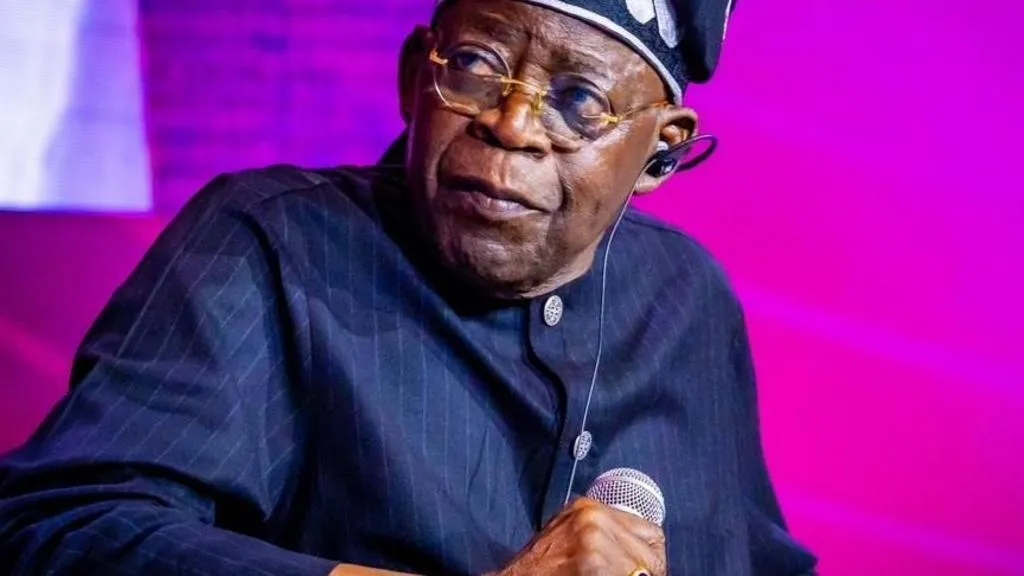
President Bola Tinubu confirmed that the presidential villa, known as Aso Rock, has been affected by the same electricity and water shortages plaguing the wider Nigerian population. Speaking at a special prayer session organized by his family in Lagos on Sunday, the President shared a personal anecdote regarding the instability of services at the official residence and office in Abuja.
"On the Wednesday of last week, I was shaving, and the water went off," Tinubu stated. He used the moment to emphasize the severity of the nation's infrastructure challenges, noting in Nigerian pidgin that "in the villa, you won't know punishment dey dia too" (there is punishment there too). He pledged to rectify these issues, asserting, "No light, no water, no electricity, no development. We have just started. We can do it, and we will do it for Nigeria."
Aso Rock infrastructure investments
The disclosure regarding Aso Rock comes despite significant budgetary allocations intended to insulate the presidential facility from the national grid's instability. Last year, 10 billion naira (£5.5m; $7.2m) was allocated in the national budget specifically for the installation of a solar mini-grid at the villa. This project aimed to mitigate rising electricity bills and the frequent instability of the national power supply. According to current reports, the solar installation has reached the testing phase, with the administration planning to eventually disconnect the facility entirely from the national grid.
Drivers of the national energy and water crisis
Nigeria's electricity and water shortages are rooted in structural deficiencies and declining resource availability rather than simple grid failures. While nationwide grid collapses have historically been a major issue, recent severe disruptions have been primarily attributed to insufficient gas supplies and a decline in hydropower output. These factors have forced electricity distribution companies to implement rotating power cuts across major urban centers, including Lagos and Abuja, impacting both residential households and commercial businesses.
The water crisis follows a similar pattern of systemic decay. The shortage is characterized by a widening gap between rapid urban population growth and a decaying public water infrastructure. This structural mismatch leaves millions of citizens, particularly in densely populated areas like Lagos, without reliable access to clean water supplies. The combination of energy and water instability creates a compounding effect on the country's economic productivity and public health.
| Issue Type | Primary Drivers | Impacted Areas |
|---|---|---|
| Electricity Shortages | Gas supply deficits, declining hydropower, grid instability | Nationwide (notably Lagos and Abuja) |
| Water Shortages | Urban population growth, decaying public infrastructure | Nationwide (notably Lagos) |
Political implications for the 2027 election
The persistence of these shortages places President Tinubu under significant political pressure as he prepares for the election on 16 January 2027. During his 2023 election campaign, Tinubu made high-profile commitments regarding energy security. In 2022, months prior to the last presidential election, he told voters: "Whichever way, by all means necessary, you will have electricity, and you will not pay for estimated bills any more. A promise made will be a promise kept."
Tinubu even linked his political mandate to his ability to deliver on these specific utility promises, stating: "If I don't keep the promise and I come for a second term, don't vote for me, unless I give you adequate reasons why I couldn't deliver." Consequently, the effectiveness of his administration in addressing the energy and water crises has become a central point of contention for voters and political opponents alike.
Government responses and competing political narratives
Supporters of the current administration point to large-scale investments and localized improvements as evidence of progress toward fulfilling energy promises. One significant project cited is the recently approved $2bn (£1.5bn) investment in a new East–West Super Grid. This initiative is designed to expand electricity transmission capacity and strengthen the overall stability of the national grid.
Furthermore, supporters highlight that electricity supplies have shown improvements in certain rural areas. However, these developments are being weighed against the daily realities of urban blackouts and the ongoing water crisis. The political landscape remains highly competitive, as Tinubu faces potential challenges from former Vice-President Atiku Abubakar and former Anambra state governor Peter Obi, both of whom are viewed as strong contenders for the upcoming election.
Key infrastructure and political data
- Aso Villa Solar Budget: 10bn naira (£5.5m; $7.2m) allocated last year.
- East-West Super Grid Investment: $2bn (£1.5bn) approved to expand transmission.
- Next Presidential Election: 16 January 2027.
- Primary Contenders: Bola Tinubu, Atiku Abubakar, Peter Obi.