Trump’s Iran Strategy Under Scrutiny as 2026 Midterms Loom
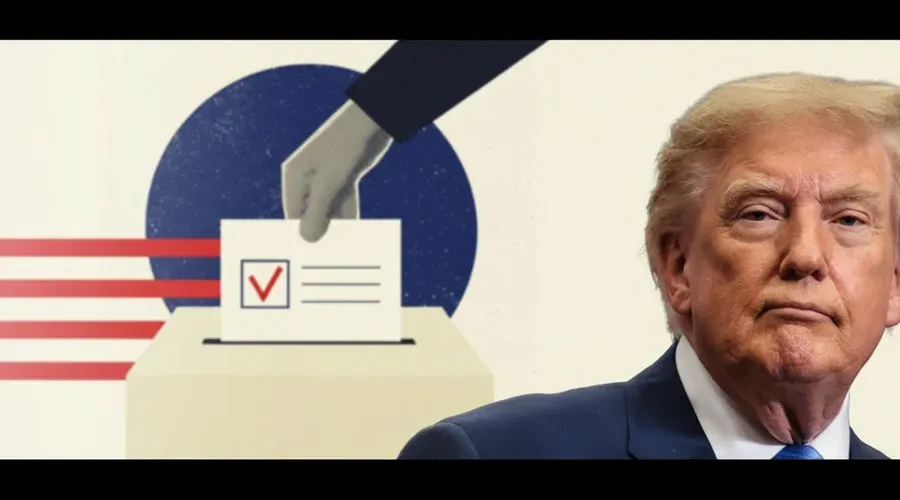
With less than ten weeks until the 2026 US midterm elections, President Donald Trump’s economic approach to Iran is dividing analysts. While some argue the strategy aims to shift voter focus away from conflict, others warn rising prices linked to the policy could hurt Republican prospects. The debate highlights broader questions about the limits of US power and electoral consequences.
President Donald Trump’s administration has increasingly framed its Iran policy as an "economic war," a shift from traditional military engagement. According to analysts on The Bottom Line, this approach is designed to minimize public attention on foreign conflict ahead of the November 3 elections. Niall Stanage of The Hill suggested the strategy is a calculated move to keep the issue out of the political spotlight until after voters cast their ballots.
Voter Concerns Over Rising Prices
Despite the administration’s efforts, the economic fallout from the Iran policy is proving difficult to ignore. Irie Sentner, a contributor to Politico, argued that the resulting price increases are already weighing on voters’ minds. With inflation remaining a top concern for Americans, the policy’s impact on household budgets could become a liability for Republican candidates, particularly in swing districts where economic anxiety is high.
Partisan Fortunes at Stake
The upcoming midterms will serve as a critical test for both major US parties. Republicans, buoyed by Trump’s base, are seeking to maintain control of Congress, while Democrats aim to capitalize on voter dissatisfaction. The Iran policy’s dual role—as both a foreign policy tool and a potential electoral vulnerability—underscores the complex interplay between geopolitics and domestic politics in the Trump era.
Broader Implications for US Power
The debate over Trump’s Iran strategy extends beyond the election cycle. Analysts question whether the economic war approach represents a sustainable model for US foreign policy or a short-term tactic with long-term risks. As the administration navigates these challenges, the midterms may offer early clues about the public’s appetite for unconventional policy measures and their willingness to accept trade-offs between economic stability and geopolitical influence.
[EDITOR'S NOTE: The original source provided limited data on voter sentiment or specific economic indicators tied to the Iran policy. Further reporting is recommended to quantify the policy’s impact on inflation and public opinion.]
Eleanor Vance brings a unique perspective to her role as an Energy and Infrastructure Analyst, with a particular focus on the intersection of these critical sectors with education. Her reporting delves into how energy policy and infrastructure development directly impact educational opportunities and outcomes across various communities. She meticulously examines the availability of resources, the construction of facilities, and the technological advancements that shape learning environments. Vance is known for filing in-depth explainers that break down complex energy and infrastructure projects, as well as longer investigations that uncover systemic issues affecting educational access and quality. Her daily stories often highlight the immediate effects of policy changes on students and educators. Eleanor approaches each story by starting with a deep dive into official reports, academic studies, and policy documents, followed by extensive interviews with stakeholders ranging from government officials and industry experts to local community leaders, teachers, and students. She prioritizes on-the-ground reporting, visiting schools and project sites to gather firsthand accounts and observe conditions directly. Her verification process involves cross-referencing information from multiple, diverse sources, ensuring accuracy and providing a comprehensive understanding of the topic. From Eleanor’s reporting, readers gain a clear and nuanced understanding of how energy and infrastructure decisions are not merely economic or political, but profoundly influence the future of education and human development. Her work offers insights into the challenges and opportunities within these sectors, empowering readers with the knowledge to understand their broader societal implications.