The rationale behind the allegiance change
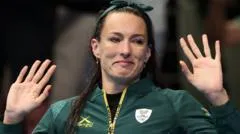
Tatjana Smith, formerly known as Schoenmaker, announced her decision to represent the Netherlands during an emotional presentation on Wednesday. The 29-year-old swimmer, who has secured four Olympic medals throughout her career, indicated that the move is driven by a need for a more robust athletic infrastructure. According to Smith, the transition "offers greater high-performance support" and provides the necessary environment for elite athletes to succeed.
Smith emphasized the systemic difficulties faced by local competitors, stating that South African athletes "deserve a system that gives them an opportunity to thrive, not just survive." This sentiment highlights a perceived gap between the requirements of world-class swimming and the current domestic support structures. Having come out of retirement in September, Smith is now scheduled to make her debut for the Netherlands at the World Championships, held from 1-6 December.
Career sustainability and support
The shift is not merely about competitive training but also about long-term viability. Smith noted that representing the Netherlands would provide her "the potential to build a more sustainable career." She specifically cited the "financial and practical challenges of swimming" as primary factors that made her previous career path difficult to maintain under the South African system.
Swimming South Africa's response and prize money dispute
Zikie Molusi, the acting CEO of Swimming South Africa, described the departure as a "very sad decision for the country." The timing of the announcement is particularly impactful as the national governing body was preparing to send a team to the short course World Championships in Beijing this December. Molusi noted that the organization understood Smith's rationale, as she had been "generous and kind enough to articulate" the reasons behind her departure.
The transition also brings unresolved administrative tensions to the forefront. Molusi addressed a previous dispute regarding prize money, admitting that Swimming South Africa should not have withheld funds from Smith following the 2023 World Championships. He explained that the withholding was caused by conflicting sponsorship agreements but conceded that "it shouldn't have happened." This admission acknowledges the friction that contributed to Smith's decision to step away from the sport following the Paris 2024 Olympics.
Systemic issues in the South African sporting ecosystem
The loss of a high-profile athlete like Smith highlights broader economic struggles within the national sporting framework. Molusi identified the situation as an "ecosystem issue within South African sport" that requires urgent attention. The financial disparities affecting elite athletes are reflected in the funding models currently utilized by the governing body for international competitions.
To illustrate the level of financial strain on the upcoming national squad, the following table outlines the projected subsidy levels for the South African team at the upcoming World Championships:
| Athlete Funding Category | Percentage of Team |
|---|---|
| Fully Subsidised | Approximately 50% |
| Partial Support | Approximately 50% |
With only half of the 21 athletes competing for South Africa next month expected to receive full subsidies, the reliance on partial support underscores the precarious nature of professional swimming in the region. The departure of a four-time Olympic medalist suggests that even the highest tier of talent may find the current domestic ecosystem insufficient for maintaining a professional standard.