
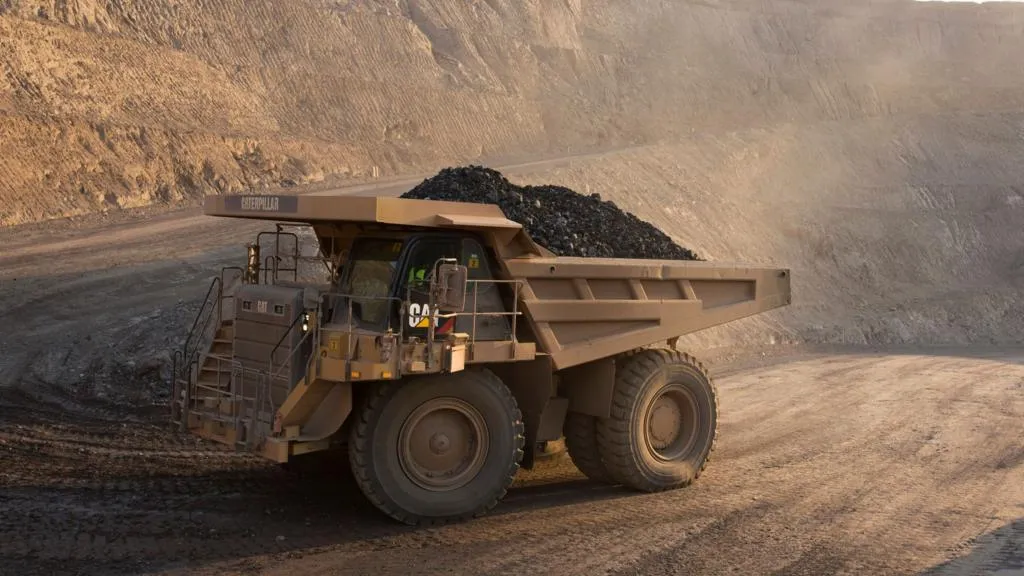
The composition and objectives of the Frontier Minerals consortium
Frontier Minerals secured the tender for the Mrima Hill project by uniting three specific American entities: Bunker Hill Mining Corp, American Resources Corporation, and ReElement Technologies Corporation. This partnership is designed to integrate expertise across three distinct pillars of the industry: mineral resource development, the management of critical materials supply chains, and the application of advanced refining technologies.
A central pillar of the consortium's strategic proposal is the localization of the value chain. Rather than simply exporting raw ores, Frontier Minerals has committed to developing mineral processing and refining capacity within Kenya. According to Brad Barnett of Frontier Minerals, the objective is to ensure the host nation captures a larger share of the value derived from its natural resources.
The consortium's approach focuses on two primary economic drivers:
- In-country refining: Moving beyond extraction to include the processing of minerals locally.
- Capacity building: Creating opportunities for Kenyan businesses and workers through targeted investment and technical training.
Strategic industrial integration
By combining these three companies, the consortium intends to create a vertically integrated model that starts with the extraction at Mrima Hill and concludes with refined products ready for international high-tech markets. This model is intended to differentiate the US bid from traditional extraction-only models often seen in large-scale mining operations.
Economic scale and critical mineral importance
The Mrima Hill site represents a massive economic asset for the Kenyan government, with estimated mineral deposits valued at over $60bn (£45bn). The site is particularly significant due to the presence of niobium, a critical mineral essential for several high-growth global industries.
The strategic importance of the minerals at Mrima Hill can be categorized by their end-use applications:
| Mineral Type | Primary Industrial Applications |
|---|---|
| Niobium | Electric vehicles (EVs), aerospace engineering, and defence technology. |
| Critical Minerals (General) | High-tech manufacturing, renewable energy infrastructure, and advanced electronics. |
For Kenya, the mining sector is viewed as a vital tool for economic diversification. The Kenyan mining ministry has identified the sector as a key component in shifting the national economy away from its historical reliance on tourism, agriculture, and financial services toward more industrial and resource-based revenue streams.
Geopolitical implications for US-China competition
The awarding of the Kenya Mrima Hill mining deal is a significant development in the broader geopolitical struggle for control over critical mineral supply chains. Washington is actively seeking to reduce its dependence on China, which currently dominates the global processing of many essential minerals. This deal aligns with a wider US strategy to secure alternative mineral sources in Africa.
The US approach involves establishing strategic partnerships with mineral-rich nations to fortify domestic industries. This strategy is not limited to Kenya; the United States has also been pursuing similar mineral-security partnerships in other African nations, such as the Democratic Republic of Congo and Zambia. These efforts are specifically aimed at protecting supply chains for the electric vehicle and defence sectors.
By winning this tender, the US-led consortium positions itself as a direct competitor to Chinese firms that have historically secured significant mining interests across the African continent. The Mrima Hill project serves as a focal point for this competition, as the control of niobium and other critical materials is increasingly viewed as a matter of national security for Western powers.
Environmental concerns and local community impact
Despite the projected economic windfall, the Mrima Hill project faces significant local opposition and environmental scrutiny. The mining site is located in Kwale County near the Indian Ocean coastline and encompasses approximately 390 acres of forest land. This has triggered fears among local residents regarding the ecological footprint of the operation.
The primary concerns raised by the community include:
- Forest Degradation: Potential permanent damage to the 390-acre forest area.
- Cultural Heritage: Threats to ancestral lands and heritage sites located near the mining zone.
- Economic Equity: Uncertainty regarding whether the local communities living adjacent to the site will see tangible financial benefits from the $60bn resource.
Brad Barnett has attempted to address these concerns by stating that the consortium intends to prioritize environmental management and performance. He emphasized that the project is designed to create "lasting opportunities" for the wider Kenyan economy through investment and capacity building.
Regulatory hurdles and legal challenges
The project has not yet reached the implementation stage. Before any mining activity can commence, the Frontier Minerals consortium must successfully navigate several regulatory requirements, including the acquisition of a formal prospecting licence. Furthermore, the tender process itself is under threat of legal intervention.
According to reports from the Reuters news agency, the selection process has met with formal objections from competing bidders. Specifically, the Australian firm RareX has alleged that Frontier Minerals failed to meet an earlier submission deadline. While the Kenyan government has defended the process, describing it as "open and transparent," the potential for legal challenges from rival companies remains a significant risk to the project's timeline.