The push to triple climate adaptation funding
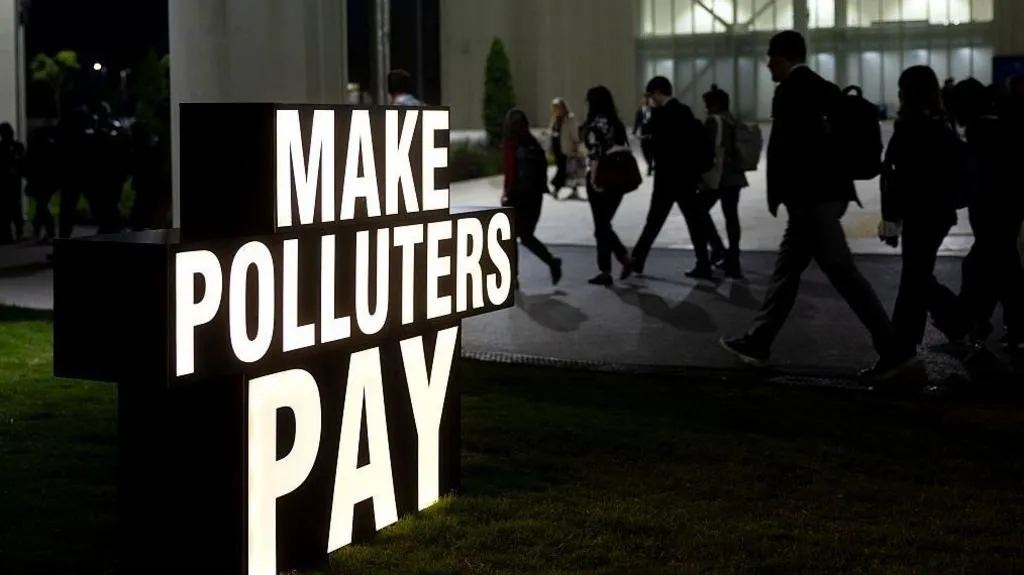
The African Group of Negotiators at the COP31 summit in Turkey is advocating for adaptation finance to be tripled by 2035. This would raise the annual baseline from $40bn (£30bn) to a significantly higher level to protect vulnerable populations from extreme weather. This $40bn figure represents the amount developed countries previously committed to providing by 2025, though the specific interpretation of that commitment remains a point of contention among international delegates.
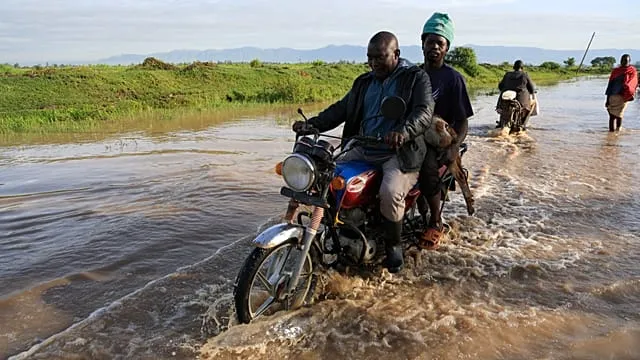
While the proposal was not formally accepted for negotiations at the summit, African representatives continue to press the issue. The requested funds are intended to help nations prepare for and withstand climate-induced disasters, including wildfires, droughts, and floods. The scale of the required investment is underscored by the massive disparity between current flows and projected needs.
| Region/Scope | Annual Adaptation Finance Need | Source |
|---|---|---|
| Sub-Saharan Africa | $51bn | UN Adaptation Gap Report |
| Middle East & North Africa | $112bn | UN Adaptation Gap Report |
| Global Developing Countries (by 2035) | $300bn | UN Report |
| Africa (Loss & Damage 2020-2030) | $440bn | Power Shift Africa |
The European Union's stance on existing pledges
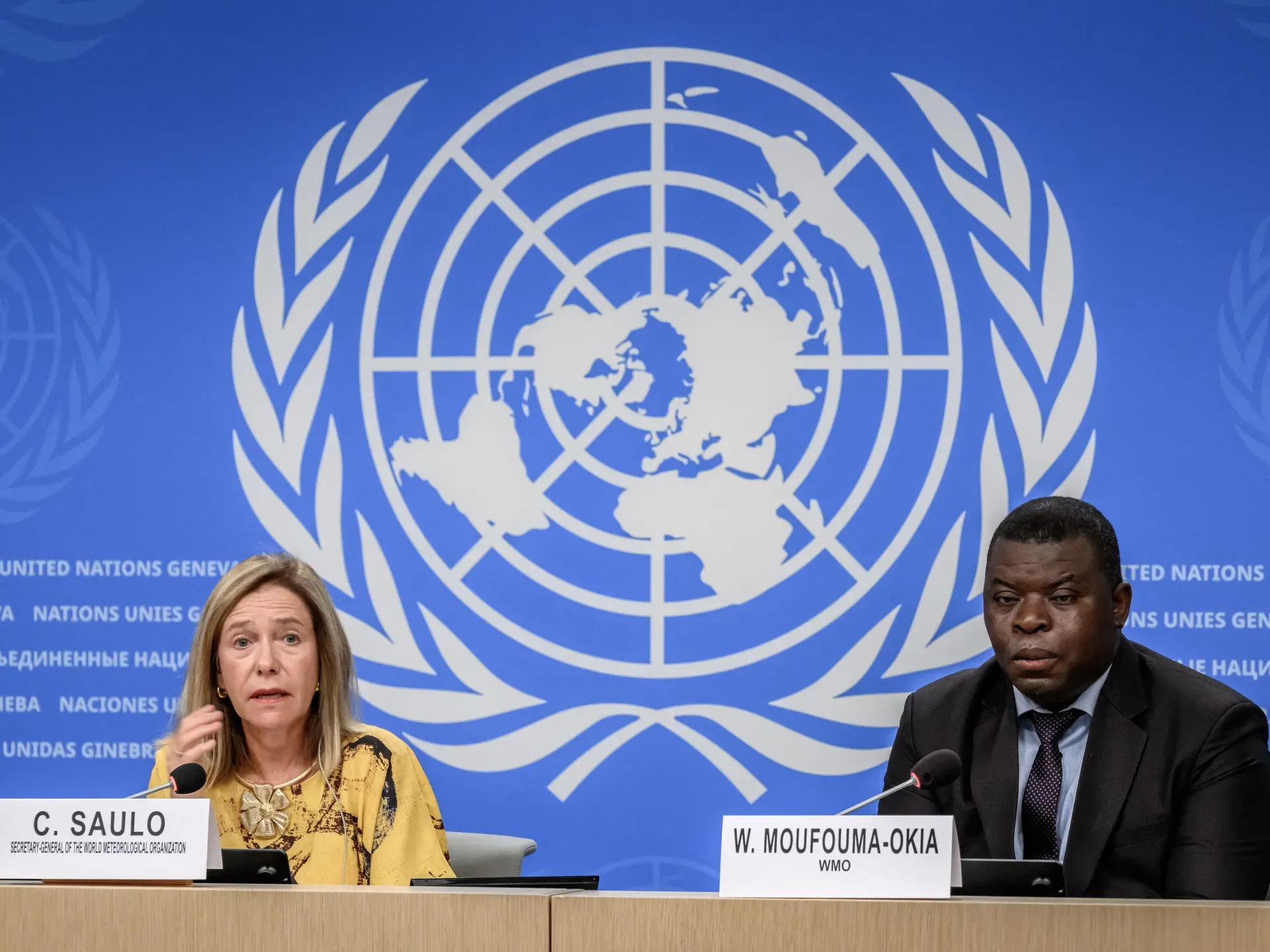
The European Union, a major provider of climate finance, maintains that the international community should focus on delivering current promises rather than setting new ones. Darragh O'Brien, leading the EU delegation at COP31 on behalf of the Irish presidency of the Council of the EU, stated during a press conference that the mission is about ensuring already committed capital is actually deployed.
EU officials argue that the bottleneck is often not a lack of promised money, but the inability of that money to reach the ground. Wopke Hoekstra, the European Commission's climate commissioner, noted that for vulnerable nations or Least Developed Countries (LDCs), money that remains in banks rather than reaching local communities is effectively meaningless. According to Hoekstra, the EU has already provided $30bn of the $100bn in climate finance committed by developed nations in recent years, and he suggested that other wealthy nations must increase their contributions.
Barriers to fund accessibility
While the EU emphasizes deployment, it has acknowledged that developing nations face significant hurdles in accessing the funds that are currently available. The debate highlights a friction between the demand for new capital and the administrative challenges of distributing existing resources.
The National Adaptation Plan bottleneck
A critical technical barrier to securing funds is the absence of National Adaptation Plans (NAPs) in several African nations. Currently, 23 African countries have yet to submit these plans to the UN climate convention secretariat. These documents are essential because they detail how climate change specifically impacts a country and outline the specific risks faced, providing the evidentiary basis required to request assistance.
Experts suggest that without these plans, securing international funding becomes increasingly difficult. Milton Lorpia of the Warrior Squad Foundation in Uganda's Karamoja region noted that despite decades of cyclical droughts, the lack of an implemented action plan has hindered effective responses. However, some advocates argue that the lack of NAPs is a symptom of deeper issues rather than the primary cause of underfunding.
David Abudho, climate justice lead at Oxfam, explained that countries failing to submit NAPs are often already struggling with debt distress and economic pressures, which limits their capacity to invest in climate planning. Sheila Apiny of ActionAid added that the absence of these plans is itself evidence of a gap in both financial and technical support, creating a cycle where countries cannot plan because they lack resources, and cannot get resources because they lack plans.
The economic cycle of disaster response versus prevention
The lack of adequate adaptation planning forces many governments into a reactive cycle of emergency management. Amos Wemanya, a senior climate adviser at Power Shift Africa, stated that when resources are scarce, they are repeatedly diverted toward emergency relief and reconstruction rather than long-term resilience.
This diversion of funds prevents investment in preventative measures such as:
- Early warning systems
- Climate-resilient agricultural practices
- Water security infrastructure
- Flood protection systems
Wemanya argues that this reactive approach costs more over time and leaves communities more vulnerable to subsequent events. This is reflected in the lived experiences of those in regions like Karamoja, Uganda, and Chikwawa, Malawi, where farmers face total crop failure or the loss of homes to floods, only to be met with further climate volatility shortly after.
Arguments for necessity-based financing
African negotiators argue that while NAPs are helpful for prioritizing investments, they should not serve as a prerequisite for receiving aid. Mahlet Eyassu Melkie, a senior strategic adviser to Ethiopia's COP32 presidency, stated that Africa's adaptation needs are rooted in scientific assessments, regional estimates, and national priorities, rather than solely on the submission of specific planning documents.
Despite the utility of NAPs in mobilizing support, as noted by the UN Development Programme, they do not guarantee the arrival of necessary capital. Sheila Apiny pointed out that even countries that have successfully completed their NAPs have not received the funding required to implement them. This suggests that the "bottleneck" described by Fred Njehu of Greenpeace Africa—which affects the speed and volume of international funding—is a complex mix of administrative requirements and a fundamental shortfall in the total amount of capital provided by developed nations.