We store a little data on your device — what the site needs to work, and, only if you allow it, a count of which stories are read. The detail is in Privacy Policy, and you can change your answer at any time from the cookie settings link in the footer.
Rosemary Nyirumbe Uganda: The Nun Helping LRA Survivors
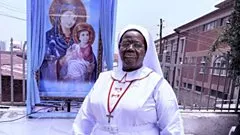
Rosemary Nyirumbe Uganda has become a symbol of resilience for those affected by the decade-long conflict in Northern Uganda. As a nun, she has dedicated her life to the rehabilitation of children abducted by the Lord's Resistance Army (LRA). By providing vocational skills and spiritual support, she works to reintegrate traumatized youth and children born of war back into their communities. Her tireless efforts at the St. Monica Vocational Centre have provided a sanctuary for many who had lost everything to the violence.
The impact of the Lord's Resistance Army in Northern Uganda
The humanitarian crisis in Northern Uganda was significantly shaped by the activities of the Lord's Resistance Army, a rebel group that began terrorizing the region in the 1980s. The group's tactics involved widespread abductions of both boys and girls to serve as child soldiers. These children were often forced to participate in atrocities, leading to profound psychological and physical trauma.
The consequences of these abductions extended beyond the immediate violence. Many girls were forced to bear the children of rebel leaders during their captivity. Upon their eventual return to their home regions, these children often faced severe social consequences, including rejection by their families and local communities.
Rosemary Nyirumbe’s mission of rehabilitation
Rosemary Nyirumbe entered the religious life in her mid-teens, eventually finding her vocation in the rehabilitation of children who had endured extreme trauma. Her approach focuses on two primary pillars of recovery: practical empowerment and spiritual reconciliation.
Vocational skill acquisition
To provide survivors with a viable future, Nyirumbe facilitates the learning of practical skills, such as sewing. This economic empowerment is intended to help former child soldiers and abducted girls establish independence and stability in their post-conflict lives.
Spiritual and social reintegration
Beyond physical skills, Nyirumbe addresses the deep-seated stigma faced by survivors. She works to help them understand that they are not rejected by God for the atrocities they were forced to commit under duress. This spiritual guidance is a core component of her effort to restore their sense of self-worth and dignity.
Risks and humanitarian outreach
The work of rehabilitating victims of the LRA has not been without significant personal risk. Nyirumbe has repeatedly placed herself in extreme danger to fulfill her mission of aiding those affected by the conflict. Despite the volatility of the region, she has observed that even small acts of kindness can impact the perspectives of battle-hardened rebels.
Olivia Chen reports on health and human rights, exploring how societal structures and global events intersect with individual well-being and access to care. Her work often delves into the systemic challenges that impact public health outcomes, from outbreaks of disease to issues of equity and access. She files a diverse range of pieces, including breaking news on emerging health crises, in-depth explainers that demystify complex medical and scientific topics, and extensive investigations into human rights abuses within health systems. Olivia’s reporting process begins with identifying underserved communities or underreported health disparities, often drawing on direct testimony and scientific research. She rigorously verifies information through multiple sources, including medical professionals, public health officials, and directly affected individuals, always prioritizing ethical considerations and the protection of vulnerable populations. Her investigations frequently involve sifting through scientific data, policy documents, and personal accounts to build a comprehensive picture. Readers following Olivia's work gain a nuanced understanding of the human cost of health inequities and the scientific advancements shaping our world. They can expect reporting that not only informs but also advocates for greater accountability and highlights the resilience of communities facing significant health challenges, providing a critical lens on both the scientific progress and the human impact of health policies.